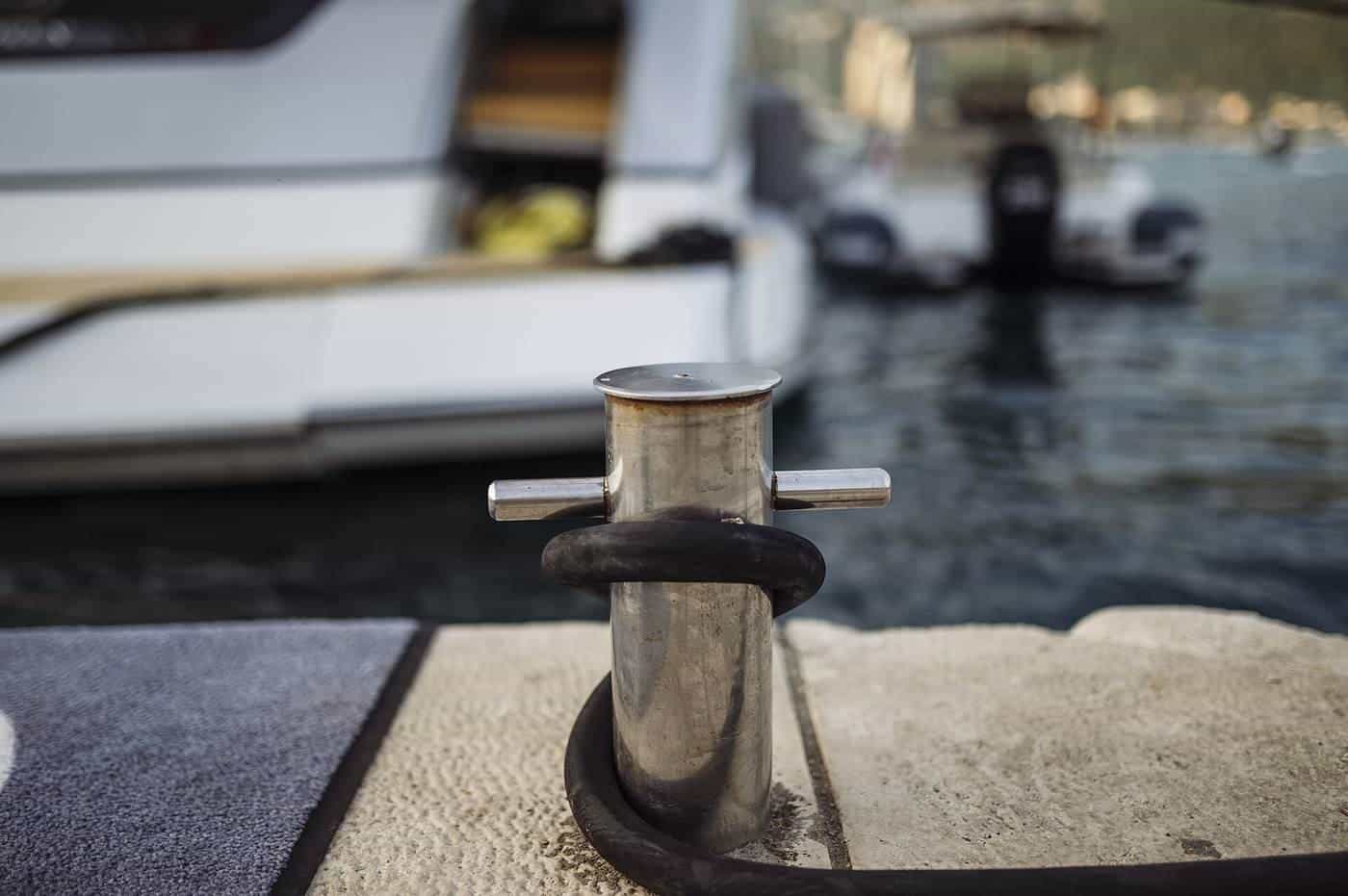
Every boating trip starts and finishes with some boat handling: leaving a berth or mooring, and getting back on to it. In between, you might anchor for lunch, tie up at a jetty or raft up with friends. These manoeuvres are where most bumps, scrapes and raised voices happen, and where good habits pay off. This section covers the core skills, based on the advice in state boating safety handbooks, with practical tips for making them routine.
The guides in this section
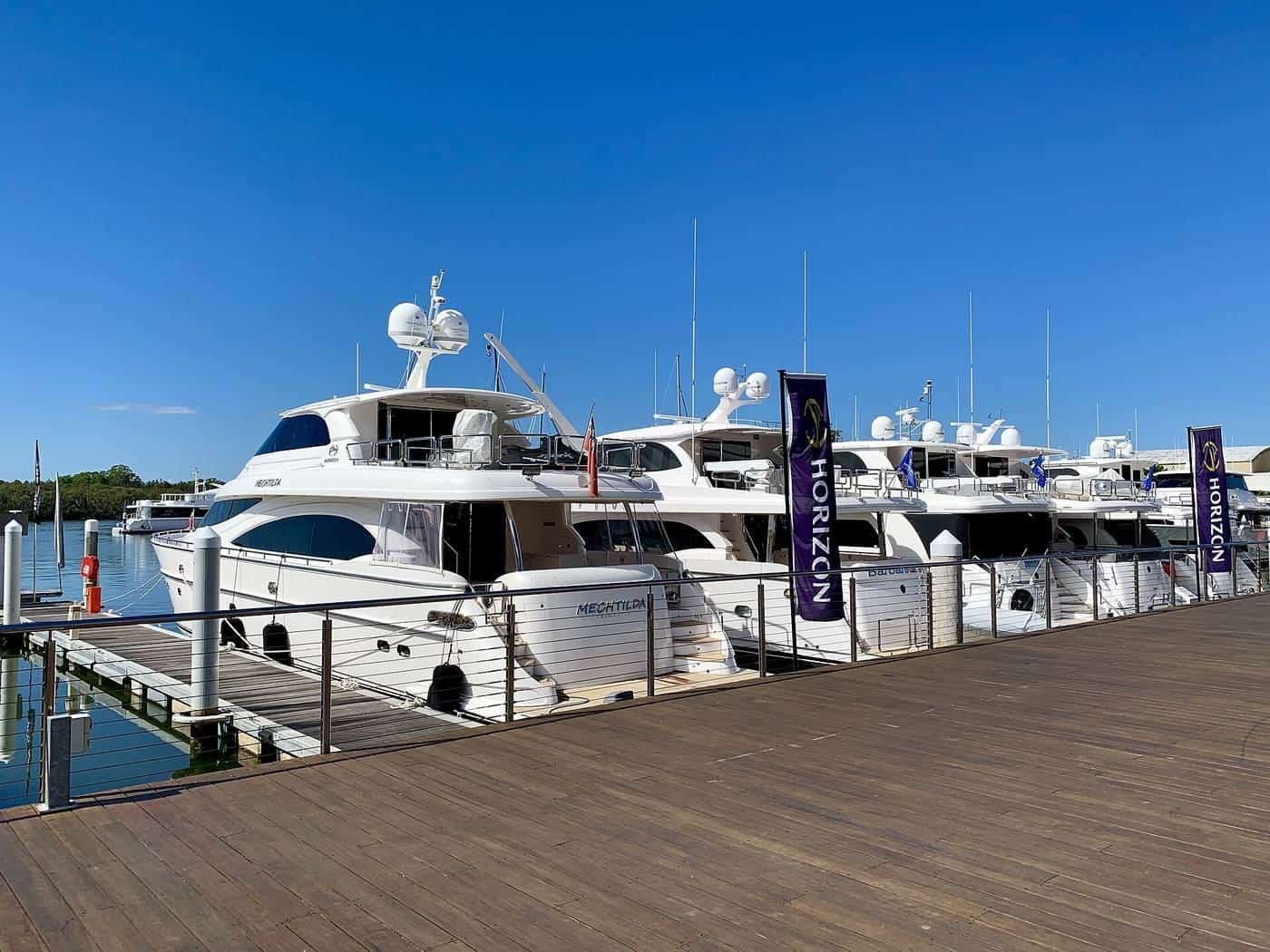
- Berthing alongside explains how to plan an approach, read wind and current, and bring outboard, sterndrive, single-shaft and twin-shaft boats alongside a pontoon or jetty, and how to leave again.
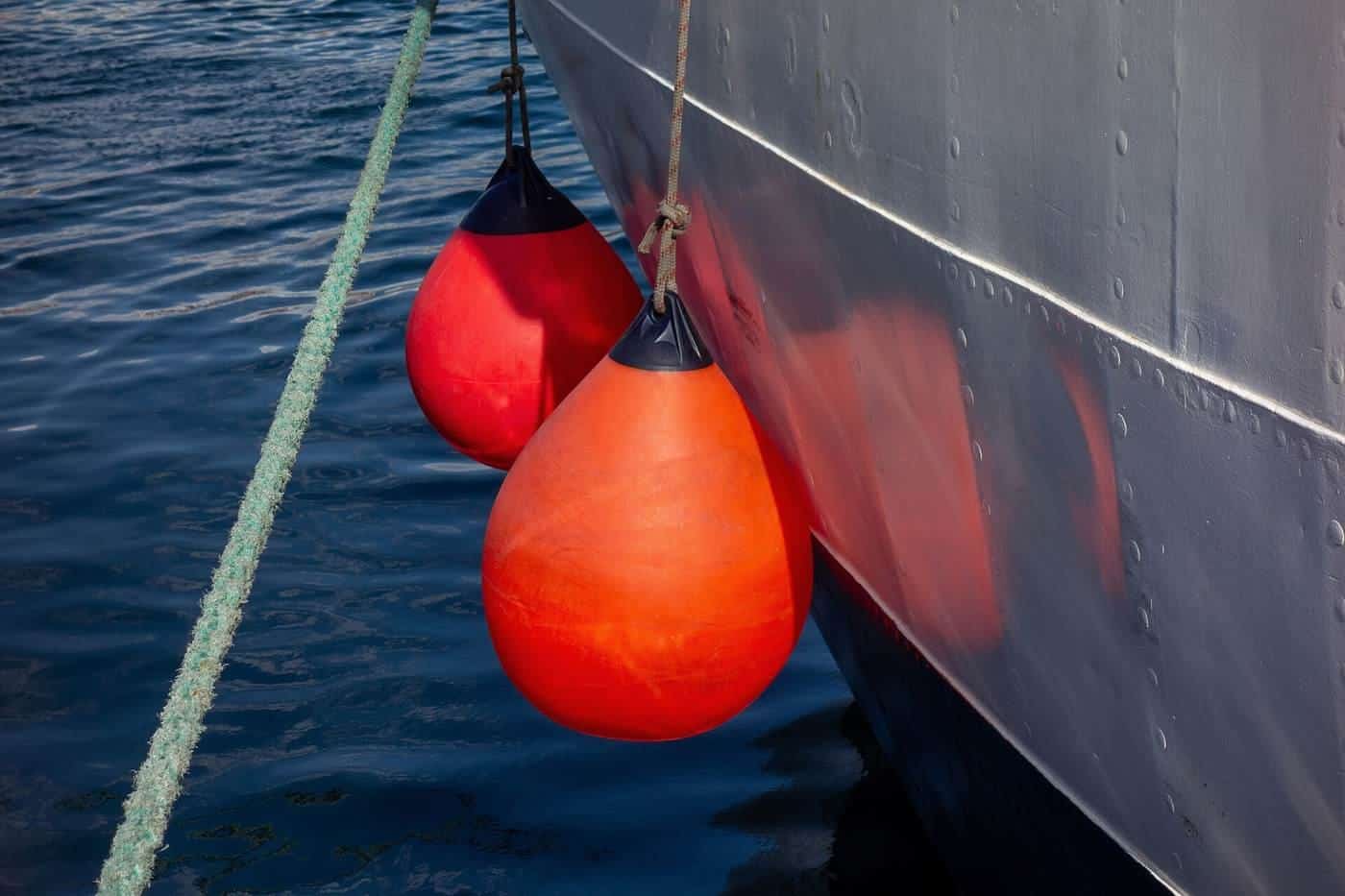
- Mooring lines and fenders covers the four main berthing lines, choosing and caring for lines, chafe protection, fender types and placement, and doubling up for strong winds.
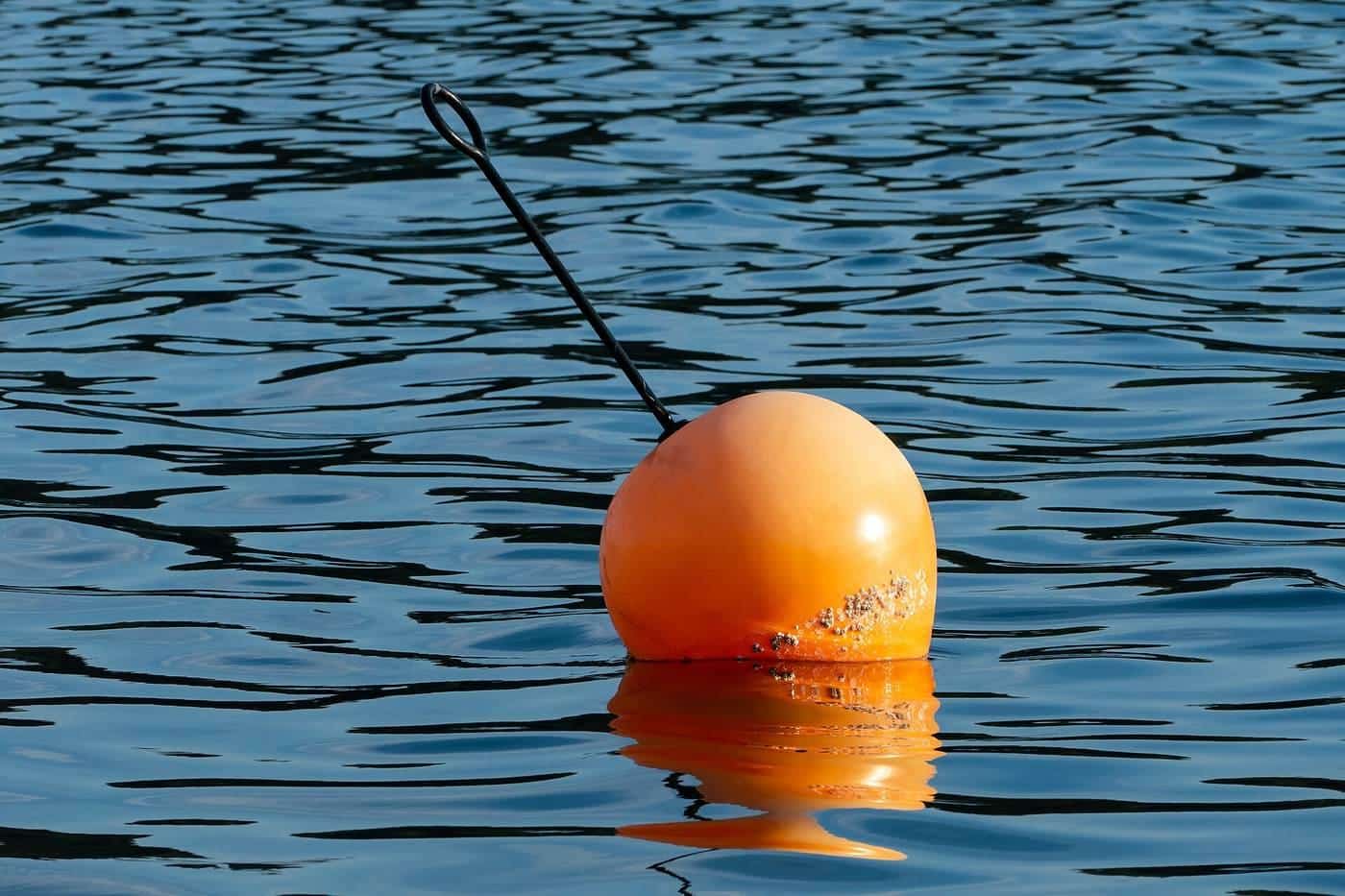
- Picking up a mooring walks through approaching a buoy, catching the pick-up line, securing it, and leaving without fouling the propeller.
- Anchoring basics covers anchor gear, choosing a spot, scope, setting the anchor, checking for dragging and retrieving it.
Principles that apply to every manoeuvre
Go slowly. The South Australian boating safety handbook advises approaching a berth as slowly as possible, at the minimum speed that keeps steering response, because it gives more time to correct errors. The same is true for moorings and anchoring. Speed turns small mistakes into damage.
Have a plan, and share it. Tell your crew what you intend to do, where you'll stop, which lines and fenders go where and what will happen if you need to abort. The SA handbook's berthing checklist starts with briefing passengers and crew.
Read the conditions. Wind and current push boats around, and they don't always agree. Maritime Safety Victoria warns not to assume other boats show the wind and current direction, because different boats may lie differently. Look at the water, flags, buoys and pick-up lines.
Use the stronger force as a brake. When approaching a mooring, Maritime Safety Victoria advises heading into the wind or against the tide, whichever is stronger. The same thinking helps when berthing: approach so that wind or current slows you down rather than pushing you on.
Know your boat. Outboards and sterndrives steer with the propeller's thrust and turn equally well either way. Single-shaft boats with right-handed propellers tend to kick the stern to port in reverse, so they usually berth more easily on the port side. Twin-shaft boats can turn almost on the spot using one engine ahead and one astern. The SA handbook explains these differences in detail.
Abort early. If an approach isn't working, back off, go round and try again. There's no shame in a second attempt; there's plenty in a crunched bow.
Crew and safety
Good boat handling protects people as well as boats:
- Never let anyone put hands, feet or legs between the boat and a pontoon, pile or another boat.
- Crew should step off, not jump, and only when the boat is alongside and stopped.
- Keep fingers clear of cleats, fairleads, windlasses and anchor rollers.
- Keep passengers inside the boat when manoeuvring, not on the side decks or bow, as Maritime Safety Victoria advises when leaving a mooring.
- Wear non-slip shoes, and keep loose lines coiled out of the way.
Lines, knots and fenders
You'll handle lines on every trip, so learn a few knots well: a cleat hitch, a bowline, a round turn and two half hitches, and a clove hitch for fenders. The SA handbook describes the four main berthing lines: a bow line, a bow spring, a stern line and a stern spring. Springs stop the boat surging forward and back; bow and stern lines hold the ends in. Hang fenders where the hull will touch, at the right height, before you come alongside.
Anchoring
Anchoring is both a convenience and a safety skill. Maritime Safety Victoria's rule of thumb is to pay out at least three times the depth of water in line, increased to five to one in rougher seas, and to lower the anchor rather than throw it. Anchor from the bow only: dropping anchor from the stern or midships risks swamping the boat. Don't anchor in marked channels, and check regularly that the anchor isn't dragging.
Practise
Most boat handling skills only come with practice. The SA handbook suggests practising berthing against a soft buoy until you're confident. Pick a quiet day and a quiet place, and practise approaches from different directions, with and against the wind. Practise picking up a buoy, anchoring and retrieving. A boat handling course, often run by boating clubs, marine rescue groups and training providers, can speed things up.
Where to next
Our berths and moorings guides help you choose where to keep your boat, and our safety and care guides cover shore power, refuelling, sewage, biofouling and severe weather.
A pre-departure routine
A short routine before every trip makes the manoeuvres easier. Check the weather and tide, and decide how they'll affect leaving and returning. Walk round the boat: lines and fenders ready, anchor secured but free to deploy, boat hook within reach. Brief the crew on the plan for leaving and coming back, and on hand signals. Warm up the engine before you let go. When you return, slow down early, put fenders and lines out before you reach the marina or mooring field, and talk through the approach before you start it. These habits take a couple of minutes and prevent most of the drama.
Guides in this section
Boat handling
Berthing alongside a pontoon or jetty
Step-by-step berthing for outboard, sterndrive, single-shaft and twin-shaft boats: preparing crew, approach angles, using springs and leaving.
Read · 6 min
Boat handling
Mooring lines and fenders
How to tie up a boat in a marina: bow, stern and spring lines, line condition and chafe, fender placement, and extra lines for storms.
Read · 5 min
Boat handling
Picking up and leaving a mooring
How to pick up a mooring buoy under power or sail, secure it to the bow cleat, and leave again without fouling the propeller.
Read · 5 min

Boat handling
Anchoring basics
How to anchor safely: choosing a spot, lowering the anchor, 3:1 scope in normal conditions and 5:1 in rough, and checking for dragging.
Read · 5 min
Frequently asked questions
What is the hardest part of boat handling?
For most owners it’s berthing in a tight marina with wind or current. Going slowly, planning ahead and briefing your crew make the biggest difference.
How much anchor line should I let out?
Maritime Safety Victoria’s rule of thumb is at least three times the depth of water, increased to five to one in rougher seas.
Which mooring lines do I need?
The SA boating safety handbook lists four main lines: bow line, bow spring, stern line and stern spring.
How do I approach a mooring buoy?
Slowly, into the wind or against the tide, whichever is stronger, without overrunning the buoy. Catch the pick-up buoy with a boat hook and secure to a bow cleat.
Sources and further reading
Facts on this page were checked against these primary and official sources. Conditions change — confirm before you travel or buy.
- SA Boating Safety Handbook, chapter 8: Anchoring, mooring and berthing (PDF) — Department for Infrastructure and Transport SA
- Mooring — Maritime Safety Victoria
- Anchoring — Maritime Safety Victoria