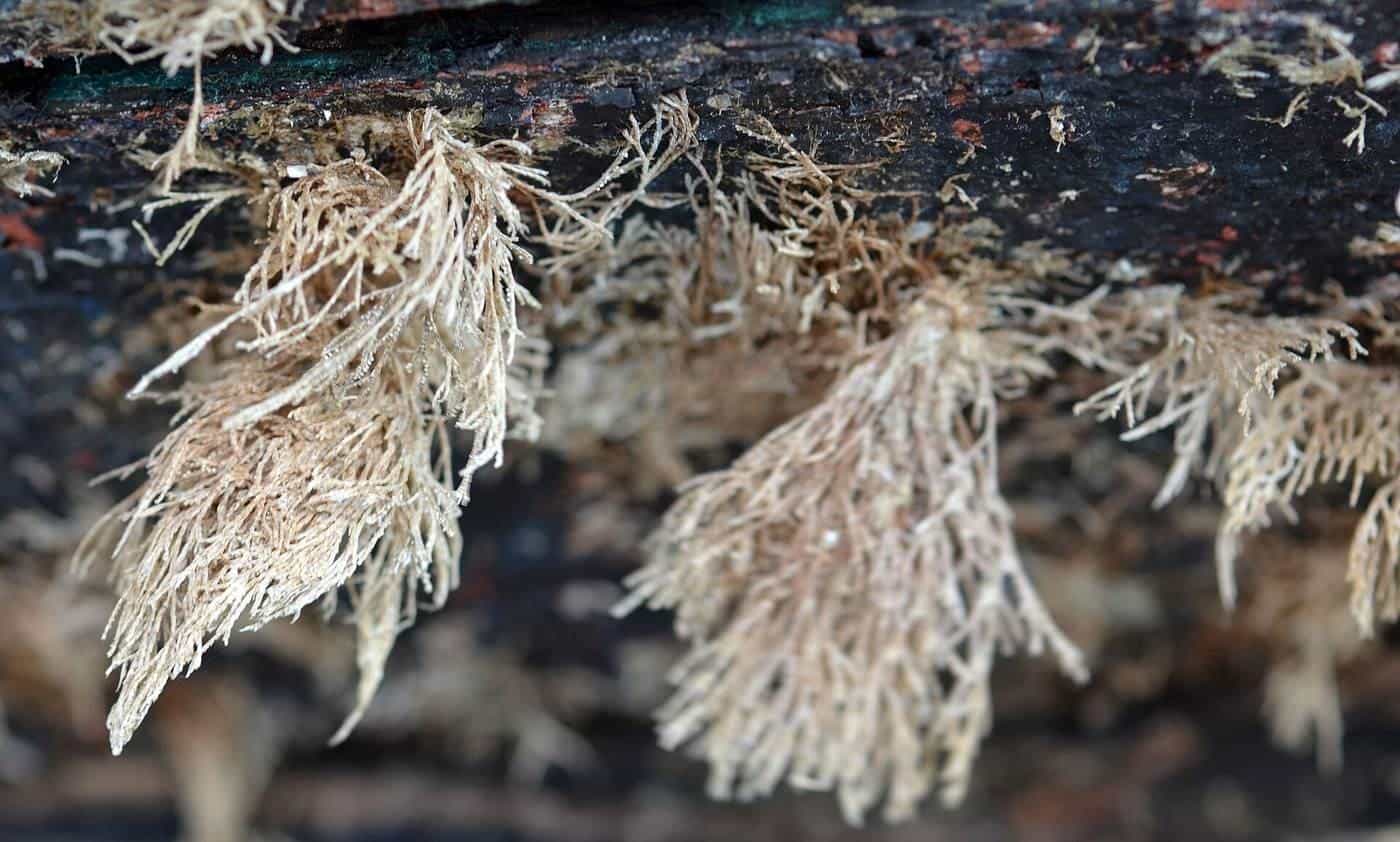
Leave any boat in the water for a few weeks and it starts to grow a coat of its own. First comes a thin film of slime, then weed, barnacles, tubeworms, mussels and oysters. This build-up, called biofouling, is a nuisance for every owner: it slows the boat, raises fuel use, blocks water intakes and damages fittings. It also matters beyond your own boat, because fouling can carry marine pests from one harbour to another. This guide explains where fouling grows, how antifouling helps, how to clean responsibly and what "check, clean, dry" means.
Check
Step 1
Look for attached plants and animals
Clean
Step 2
Clean with fresh water after use
Dry
Step 3
Dry thoroughly before moving
Why biofouling matters
Performance. A fouled hull drags through the water. Boats feel sluggish, top speed drops and fuel use rises. Sailing boats point less well and lose speed.
Damage. Barnacles and shellfish can block cooling water intakes, which can overheat engines. Growth on propellers reduces thrust and can cause vibration. Hard fouling can damage paint, gelcoat and fittings.
Marine pests. Boats that move between waterways can carry hitchhikers with them. Some introduced species, once established, are almost impossible to remove and can harm fisheries, aquaculture and native habitats. Australia's Marine Pests website, run by the Australian Government with state and territory partners, has information for recreational boaters on reducing that risk.
Where fouling hides
The flat parts of the hull are easy to see, but fouling also builds up in niche areas, which are often harder to reach and less protected by antifouling paint.
Agriculture Victoria lists these niche areas on a moored recreational boat:
- anchor well and anchor;
- deck fittings;
- hull surface;
- cooling pipes;
- sewage and bilge tanks;
- keel;
- propeller and shaft;
- rudder and marlin board;
- water inlets and outlets.
And on a trailer boat:
- deck fittings;
- anchor well and anchor;
- hull surface;
- the trailer;
- water inlets and outlets;
- propeller;
- burley bucket;
- sonar tubes, echosounder housings and transducers.
When you inspect or clean, work through these places one by one.
Antifouling coatings
Antifouling paint is designed to slow the growth of marine organisms on underwater surfaces. Agriculture Victoria notes that applying appropriate antifouling coatings can help minimise the build-up of biofouling.
A few principles:
- Choose a coating that suits your boat and how you use it: hull material, speed, how often it moves, and whether it's kept in the water, on a trailer or in dry stack. Ask a boatyard or chandler.
- Follow the product's service life. Antifouling wears out. Renew it on the schedule the manufacturer recommends, and sooner if growth appears.
- Don't forget niche areas. Propellers, shafts, trim tabs, intakes and transducers need treatments suited to those surfaces.
- Apply it properly. Surface preparation matters as much as the paint. Many owners use a boatyard for this.
Antifouling paints contain active ingredients designed to deter marine life, so handle them carefully, use protective equipment, and follow the label and the boatyard's rules.
Cleaning the hull
Regular cleaning keeps fouling under control between antifouling jobs. The question is where and how.
Out of the water is generally best. Cleaning on a slipway, hardstand or dry dock, where scraped material and wash water can be captured and disposed of properly, stops fouling organisms and paint flakes from going back into the water. Many marinas and boatyards have wash-down bays designed for this.
In-water cleaning is often restricted. Rules differ between states, territories and marinas. Some places prohibit in-water cleaning, especially for heavily fouled hulls or with abrasive methods; others allow light cleaning of slime with soft tools. Check before you scrub, and never clean hard fouling off in the water where it isn't allowed.
Don't sand or scrape antifouling paint in the water or anywhere the dust and flakes can reach it.
Check, clean, dry
Agriculture Victoria's simple routine for stopping the spread of marine pests:
- Check your vessel and equipment for any attached animals and plants, and remove them. Don't return them to the water.
- Clean your vessel and equipment after use with fresh water.
- Dry your vessel and equipment thoroughly before moving to a new location.
For trailer boats, this is easy to build into every trip: inspect the hull and trailer as you retrieve, remove weed at the ramp and put it in a bin, flush the engine with fresh water, empty bilges, live wells and burley buckets on land, and let everything dry.
Before moving to a new area
If you're taking a moored boat to a new region, or a trailer boat to a different waterway, check whether the destination has requirements. Some states and areas ask for hull inspections or cleaning before arrival, especially for boats coming from areas with known pests. The Marine Pests website and your state's biosecurity agency are the places to start.
Before you go, haul out or inspect the hull and niche areas, clean off fouling where waste is captured, renew antifouling if it's tired, and flush internal seawater systems.
Report anything unusual
If you see a plant or animal on your hull, at the ramp or in the water that looks out of place, take a photo, note the location and report it to your state's biosecurity agency. Early detection gives the best chance of stopping a new pest.
A simple hull care calendar
- Every trip: check, clean, dry for trailer boats; look over the waterline for growth on moored boats.
- Every few months: inspect below the waterline, or have a diver or the boatyard check, and clean where permitted.
- When antifouling is due: haul out, clean, inspect niche areas and anodes, and repaint.
- Before moving areas: clean thoroughly and check destination rules.
Trailer boats: a ramp routine
A few minutes at the ramp after every trip does most of the work. As the boat comes out, look along the hull, keel rollers and trailer for weed and attached animals, and remove them into a bin rather than back into the water. Drain the bilge, live well and any buckets on land, away from the water's edge. Flush the outboard with fresh water using muffs or a flushing port, which also helps the cooling system. At home, hose the hull, trailer and gear with fresh water and let everything dry fully before your next trip, especially if you're heading to a different waterway.
Moored boats: what to watch for
Moored boats can't be checked at the ramp, so build inspections into your routine. Look along the waterline whenever you visit: a green or brown fringe is an early sign the antifouling is wearing. Watch for slower speeds, higher fuel use or engine temperatures creeping up, which can point to a fouled propeller or blocked intake. Check anodes when the boat is out of the water, because they protect underwater metal from corrosion and need replacing when worn. If you use a diver to check or clean the hull, make sure they follow your state's and marina's rules on in-water cleaning.
Key points
- Biofouling slows boats, raises fuel use, damages fittings and spreads marine pests.
- Check niche areas such as intakes, propellers, anchors and tanks, not just the hull.
- Keep antifouling in good condition and renew it on schedule.
- Clean out of the water where waste is captured; in-water cleaning is often restricted.
- For trailer boats, check, clean and dry after every trip.
Frequently asked questions
What is biofouling?
The build-up of marine plants and animals, such as slime, weed, barnacles, mussels and tubeworms, on a boat’s hull, propeller and other underwater surfaces.
Why does biofouling matter?
It slows the boat, increases fuel use and can damage fittings. Fouled boats can also spread marine pests to new areas when they move.
What does check, clean and dry mean?
Agriculture Victoria’s advice: check your vessel and gear for attached plants and animals and remove them, clean with fresh water after use, and dry thoroughly before moving to a new location.
Where does fouling hide?
In niche areas: water inlets and outlets, propeller and shaft, rudder, keel, anchor and anchor well, cooling pipes, transducers, and sewage and bilge tanks on moored boats.
Can I scrub my hull in the water?
Only where your state, territory and marina allow it. Many places restrict in-water cleaning; cleaning on a slipway or hardstand where waste is captured is generally preferred.
Sources and further reading
Facts on this page were checked against these primary and official sources. Conditions change — confirm before you travel or buy.
- How boat owners can help stop the spread of marine pests — Agriculture Victoria
- Recreation and community — Marine Pests (Australian Government)