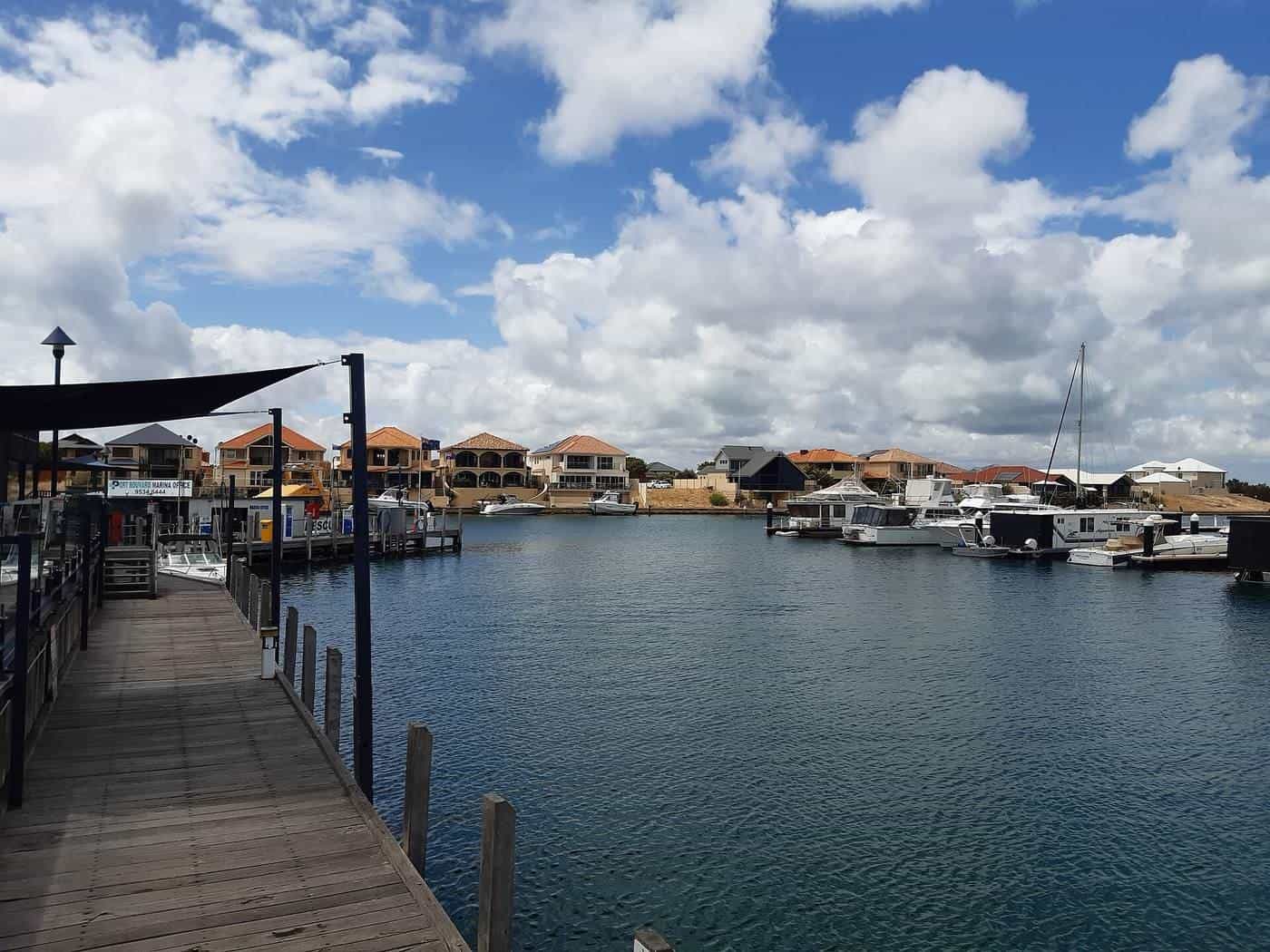
Owning a boat brings responsibilities: to the people aboard, to your neighbours in the marina and to the waterways you use. The good news is that most serious problems are preventable with simple routines. This section covers the five topics that matter most once your boat has a home: electricity, fuel, sewage, hull care and severe weather. Each guide is based on official Australian sources and explains what to do, in plain English.
The guides in this section
- Shore power safety explains residual current devices (RCDs) and testing, choosing and checking leads, connecting and disconnecting in the right order, and warning signs.
- Refuelling safely sets out a fuel dock routine before, during and after refuelling, including the petrol vapour risk, bilge blowers, portable tanks and spills.
- Sewage and pump-outs covers holding tanks, treatment systems and portable toilets, how discharge limits work using Queensland as an example, and how to use a pump-out.
- Biofouling and hull care explains why fouling matters, where it hides, antifouling, cleaning responsibly and check, clean, dry.
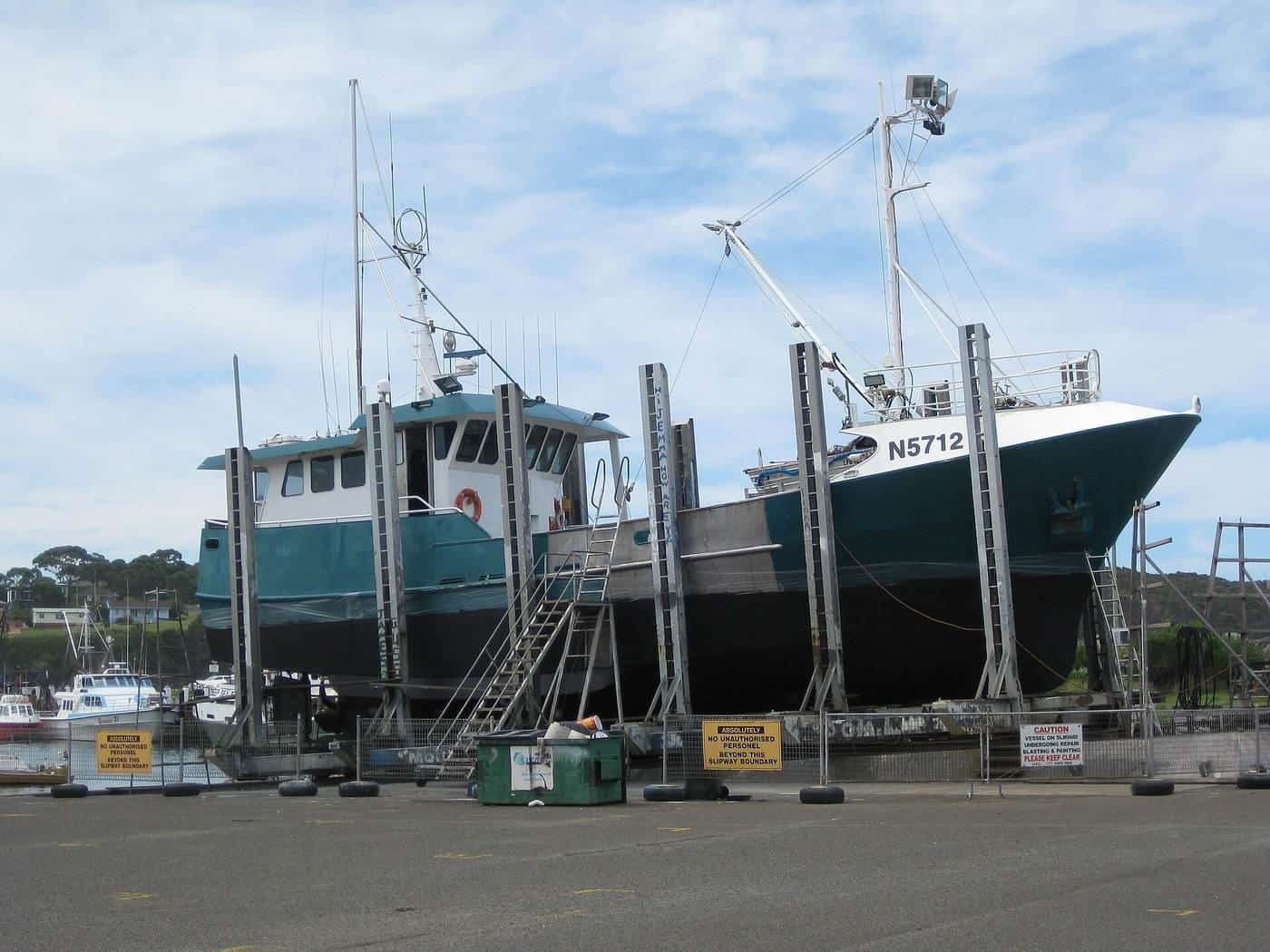
- Preparing for severe weather covers storm and cyclone planning for boats in marinas, on moorings, on trailers and on the hardstand.
Electricity
Shore power brings 240-volt electricity into a wet environment. The Australian Maritime Safety Authority notes that the risk of injury or death increases when electrical equipment and wiring is damaged or used in wet surroundings, and explains that RCDs switch off the power immediately when electricity leaks to earth at a harmful level. For domestic commercial vessels, AMSA requires RCDs whenever 240-volt supplies are used, with yearly inspection and testing and regular push-button tests. Private owners can follow the same habits: use RCD protection, test it, use marine-rated leads in good condition, and leave fixed wiring to licensed electricians.
Fuel
Transport for NSW describes refuelling as one of the most potentially hazardous parts of boating. Petrol has a much lower flashpoint than diesel, and its vapour is denser than air, so it collects in bilges and engine spaces. The safe routine is straightforward: engines off, boat secured, passengers off, hatches closed and ignition sources out; keep the nozzle in firm contact and don't overfill; then open up, run the bilge blower, check for fumes and spills and only then start the engine. Maritime Safety Victoria adds that no passengers should be aboard during refuelling or restarting.
Sewage
What goes down the boat toilet is regulated. Using Queensland as an example, Maritime Safety Queensland's rules make smooth waters, including rivers, creeks and waters within breakwaters, nil discharge waters for untreated sewage, and set buffers of one nautical mile from people in the water, aquaculture and reefs. Treated sewage has smaller buffers depending on its grade. Other states have their own rules. For most owners in sheltered waters, the answer is a holding tank and regular visits to a pump-out.
Hull care and marine pests
Biofouling slows boats, increases fuel use, blocks intakes and can carry marine pests to new areas. Agriculture Victoria lists the niche areas where fouling hides, from water inlets and propellers to anchor wells and tanks, and recommends that owners check, clean and dry their boats and gear before moving to a new location. Keep antifouling in good condition, and clean hulls out of the water where waste can be captured. In-water cleaning is restricted in many places.
Severe weather
Maritime Safety Queensland says the state's severe weather season is generally November to April, though extreme events can happen any time. Owners are expected to know their area's Extreme Weather Contingency Plan, arrange for someone licensed to move the boat if they'll be away, and follow directions from the Regional Harbour Master. Get Ready Queensland's checklists cover doubling lines, tying high on piles, protecting against chafe, removing windage, disconnecting shore power and securing trailer boats with 24 mm rope or chains to ground anchors.
Building good habits
Safety routines work best when they're automatic:
- Every visit: check lines, fenders and the bilge; look at the shore power lead before you plug in.
- Every refuel: follow the same steps, in the same order, every time.
- Every trip: check, clean and dry trailer boats; look for fouling on moored boats.
- Every few months: push-button test RCDs, inspect fuel lines and hoses, and have the hull checked.
- Every year: service the engine, have RCDs and electrics tested, review insurance and renew antifouling when due.
- Before each storm season: review your area's plan, arrange emergency contacts and check your extra lines.
A note on professional help
These guides are general information. Electrical work, fuel system repairs, mooring installation and hull work often need qualified professionals, and some are regulated. If you're unsure, ask your marina, a licensed marine electrician, a marine mechanic or your state's maritime authority.
Where to next
See our berths and moorings guides for choosing where to keep your boat, and our boat handling guides for berthing, lines and fenders, moorings and anchoring.
Emergency basics
Know what to do if something goes wrong. In an emergency on land or at the marina, call 000. On the water, use your marine radio's distress channels or call 000 if you have mobile coverage, and know how to activate your beacon if you carry one. Keep a list of local numbers aboard: your marina's after-hours contact, your marine rescue unit, your state maritime authority's regional office and the water police. Make sure everyone aboard knows where the fire extinguishers, life jackets and first aid kit are kept, and how to use them.
Guides in this section
Safety & care
Shore power safety
How to use marina shore power safely: leads and plugs, RCDs and testing, connecting in the right order, and when to call an electrician.
Read · 5 min
Safety & care
Refuelling a boat safely
Step-by-step boat refuelling at a marina fuel dock: before, during and after, petrol vapour in bilges, portable tanks and spills.
Read · 5 min
Safety & care
Boat sewage and pump-outs
How boat sewage rules work, using Queensland as an example: nil discharge waters, treated sewage grades, holding tanks and pump-outs.
Read · 5 min

Safety & care
Biofouling and hull care
Why biofouling matters, where it hides on moored and trailer boats, antifouling, cleaning out of the water, and check, clean and dry.
Read · 5 min
Safety & care
Preparing your boat for severe weather
How to prepare a boat for storms and cyclones: plans, extra lines, reducing windage, trailer boats, and following harbour master directions.
Read · 5 min
Frequently asked questions
What are the biggest safety risks in a marina?
Electricity from shore power, petrol vapour during and after refuelling, and severe weather. Each has well-established precautions.
Why should I use a bilge blower?
Petrol vapour is heavier than air and collects in the bilge. Transport for NSW advises running a bilge blower after refuelling for long enough to clear fumes.
Can I discharge sewage in a marina?
Generally no. In Queensland, smooth waters, including waters inside breakwaters, are nil discharge waters for untreated sewage. Use the pump-out.
How do I stop spreading marine pests?
Keep antifouling in good condition and follow Agriculture Victoria’s advice: check, clean and dry your boat and gear before moving to a new location.
Sources and further reading
Facts on this page were checked against these primary and official sources. Conditions change — confirm before you travel or buy.
- Residual current devices — Australian Maritime Safety Authority
- Onboard fuel: handle with care (PDF) — Transport for NSW
- Sewage — Maritime Safety Queensland
- How boat owners can help stop the spread of marine pests — Agriculture Victoria
- Preparing for severe weather — Maritime Safety Queensland