Berthing a boat looks effortless when an experienced skipper does it and terrifying the first few times you try it yourself. The good news is that berthing is a skill, not a talent. Boats respond in predictable ways to throttle, steering, wind and current, and most problems come from going too fast, not having a plan, or a crew that doesn't know what to do. This guide follows the advice in the South Australian recreational boating safety handbook and explains how to prepare, approach and leave a berth with different motor set-ups.
30–45°
Approach angle
Outboard or sterndrive, SA handbook
2–3
Boat lengths off
When to start the turn away
Minimum
Speed
Slowest speed that keeps steering
Before you arrive: make a plan
The SA handbook's preparation checklist is a good habit for every berthing:
- Make sure passengers and crew know your plan and where you intend to stop on the berth.
- Show crew where to place the fenders and what you plan to tie up to.
- Check for obstacles, including other vessels at or near the berth.
- Assess the effect of the wind and current.
- If wind along the berth is light or inconsistent, choose the side that best suits your boat's steering.
- Approach as slowly as possible, with your bow pointing the same way as other vessels at the wharf.
- Keep speed to the minimum that still gives steering response, so you have time to correct mistakes.
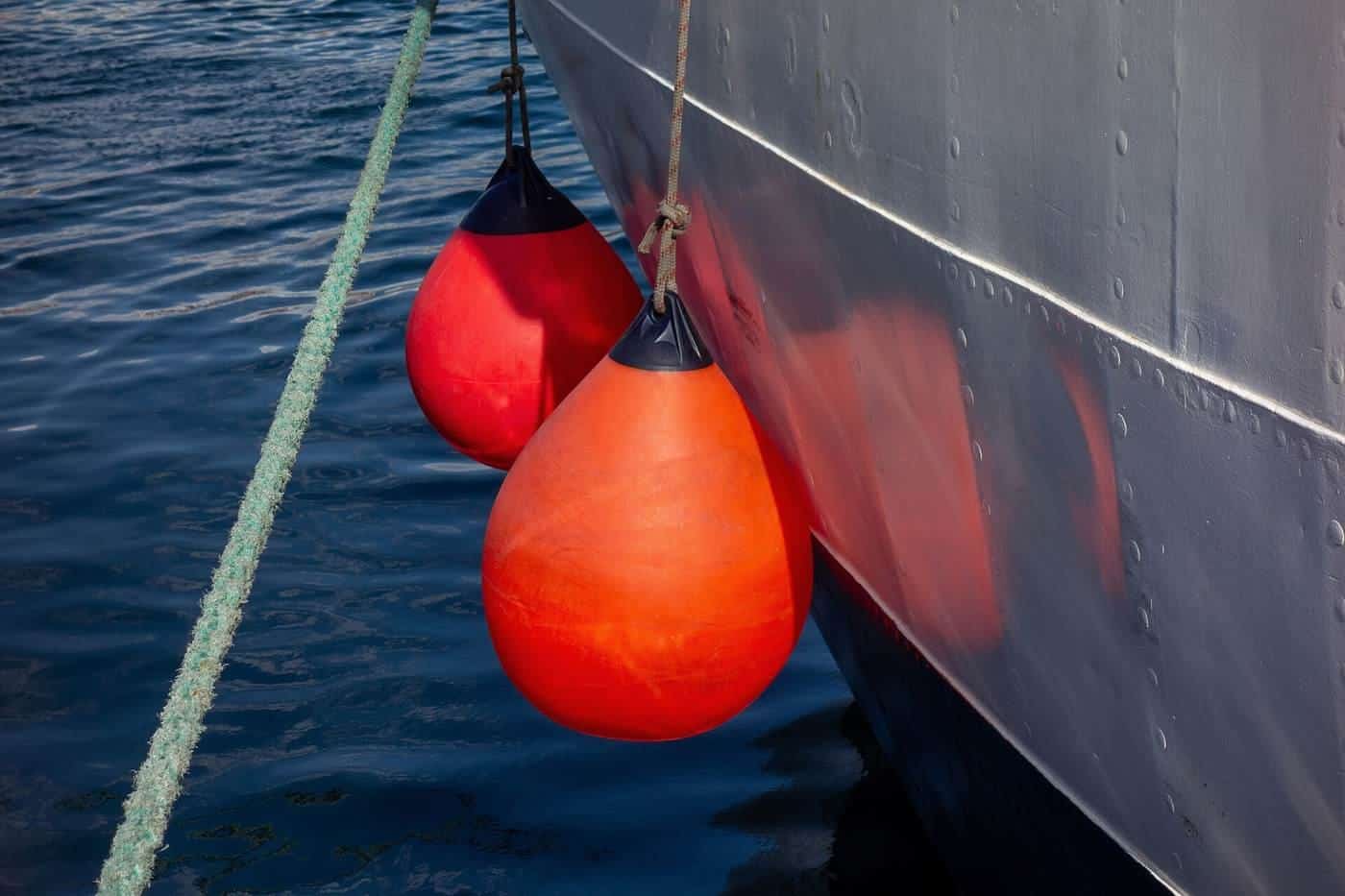
Have the lines ready on deck, already attached to the right cleats on the boat and led outside the rails, with the free ends coiled so they run without tangling. Put fenders out at the right height for the pontoon before you start the approach.
Read the wind and current
Wind and current are what turn a gentle approach into a scramble. Before you commit:
- Watch flags, water ripples and how other boats are lying.
- Notice which way the current is running along the pontoon.
- Expect the bow to blow off faster than the stern on most powerboats, because there's more windage forward and less grip in the water.
If the wind or current will push you onto the berth, approach more parallel and let it carry you in gently. If it will push you off, approach at a steeper angle and get a line on quickly. If conditions are too strong, it's fine to wait, go round again or choose a different berth.
Outboard and sterndrive boats
Outboards and sterndrives let you steer the propeller's thrust directly, so the boat turns equally well either way, ahead or astern. When you change direction, the stern does nearly all of the turning and moves in the direction the propeller points, while the bow barely moves.
The SA handbook's steps for putting the starboard side alongside:
- Set a slow speed, aim at the spot where you want to end up and hold that course, at an angle of 30 to 45 degrees to the berth.
- When you're two to three boat lengths off, turn away from the berth. This starts the stern swinging towards it. The steeper your approach, the more you need to turn.
- As the bow's shoulder nears the berth, put the motor in neutral and turn the wheel towards the berth.
- Immediately after turning the wheel, select reverse. This stops the boat and, because the propeller now points towards the berth, pulls the stern in. Then return to neutral.
Twin-shaft boats
Many twin-screw boats have outward-turning propellers, which gives the best engine help when turning, whether going ahead or astern. Twin-shaft boats turn in a smaller circle than similar single-shaft boats and suit putting either side alongside, though the bow still stays more or less still while the stern does the turning.
The SA handbook's approach: make a slow approach as you would with a single-shaft boat, then, with the engine closest to the berth going ahead and the outer engine astern, use the short turning ability to pull the stern alongside. Small, short bursts are better than big throttle movements.
Single-shaft boats
Most single-engine shaft or jet boats have a right-handed (clockwise) propeller. These boats are easier to berth on the port side, because the stern tends to kick to port when going astern. The opposite applies to left-handed propellers.
The SA handbook's steps, assuming a right-handed propeller and port side to:
- Make a shallow approach and use reverse to stop with the bow's shoulder almost touching the berth.
- Attach a spring or flexible rope from the forward part of the boat to the berth.
- Turn the wheel away from the berth and select forward gear at idle. The boat will come alongside against the spring, and can then be secured with the other lines.
If wind, current or the boat's handling make things difficult, or you have to put the non-preferred side alongside, you can use a spring line in the same way to bring the boat in.
Securing the boat
Once you're alongside and stopped, crew step off with the lines and make them fast. Start with the line that controls the boat best in the conditions, often a spring, then add bow and stern lines. Our guide to mooring lines and fenders explains which line does what.
Leaving a berth
The SA handbook notes that it's normal to reverse out of a berth, because boats steer from the stern. Trying to drive forward off a pontoon usually swings the stern into it.
Outboard or sterndrive: with the motor in neutral, turn the wheel fully away from the berth, so the propeller points the way the stern needs to go in reverse. Select reverse with very little throttle. Unless the wind or current is pushing you onto the berth, the stern moves out and the bow stays clear.
Single shaft: a single shaft's rudder needs water flowing over it, so simply going astern rarely works, especially if wind or current pushes you onto the berth. Instead, remove all lines except a bow spring and put a fender between the berth and the bow's shoulder. Turn the wheel fully towards the berth, select forward and apply a small amount of throttle. The spring stops the boat moving ahead, the water flowing past the rudder swings the stern away, and the boat pivots around the bow's shoulder. When the stern is well clear, go to neutral, release the spring and reverse away.
Before leaving, always check for other vessels moving in the fairway.
Crew safety
- Never let anyone put hands, feet or legs between the boat and the pontoon or piles.
- Crew should step off, not jump, and only when the boat is alongside.
- Don't try to stop a moving boat by pushing against the pontoon; use the engine and lines.
- Wear non-slip shoes and keep decks clear of loose lines.
Practise
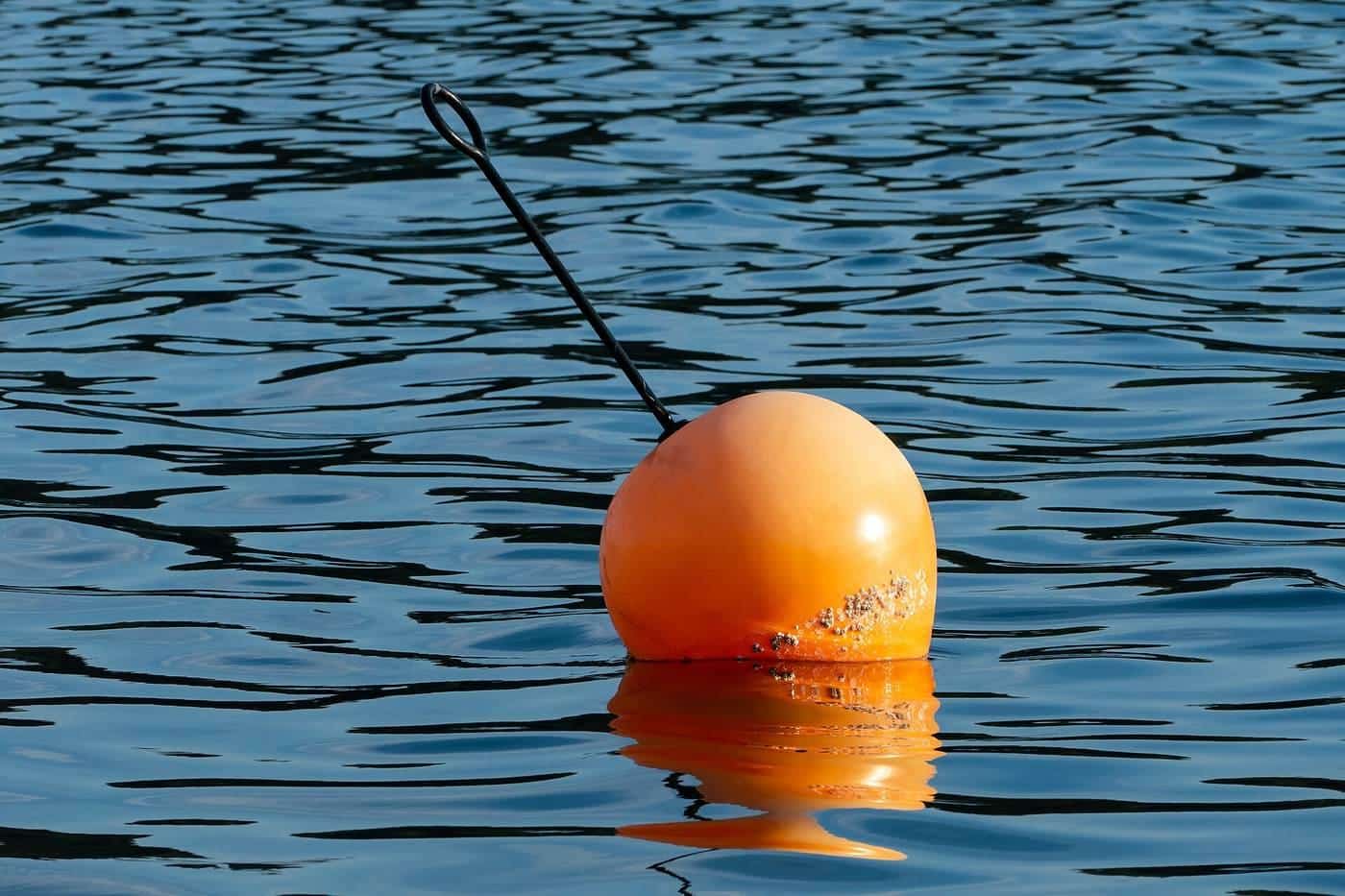
The SA handbook suggests practising berthing against a soft buoy until you're confident. Pick a quiet day and an empty stretch of pontoon, and practise both sides, with and against the wind.
Key points
- Plan first: brief the crew, rig lines and fenders, and check wind and current.
- Go as slowly as you can while keeping steering control.
- Outboards and sterndrives: approach at 30 to 45 degrees, turn away two to three lengths off.
- Single shafts usually berth best on the port side and use a spring to come alongside.
- Reverse out of a berth, using a bow spring if the boat is being pushed on.
Frequently asked questions
What speed should I berth at?
As slow as possible while keeping steering control. The SA boating safety handbook says to adjust speed to the minimum without losing steering response, which gives more time to correct errors.
Which side is easiest to berth a single-shaft boat on?
With a right-handed propeller, the port side is usually easier, because the stern kicks to port when going astern. The opposite applies to left-handed propellers.
What angle should I approach at?
For outboard and sterndrive boats, the SA handbook suggests an angle of 30 to 45 degrees to the berth, turning away when two to three boat lengths off.
Should crew jump onto the pontoon?
No. Crew should step off only when the boat is alongside and stopped, holding a line, never jumping a gap. Keep hands and feet out from between the boat and the pontoon.
How do I practise berthing?
The SA handbook suggests practising against a soft buoy until you are confident, to avoid damaging your vessel.
Sources and further reading
Facts on this page were checked against these primary and official sources. Conditions change — confirm before you travel or buy.
- SA Boating Safety Handbook, chapter 8: Anchoring, mooring and berthing (PDF) — Department for Infrastructure and Transport SA
- Mooring — Maritime Safety Victoria
- Anchoring — Maritime Safety Victoria