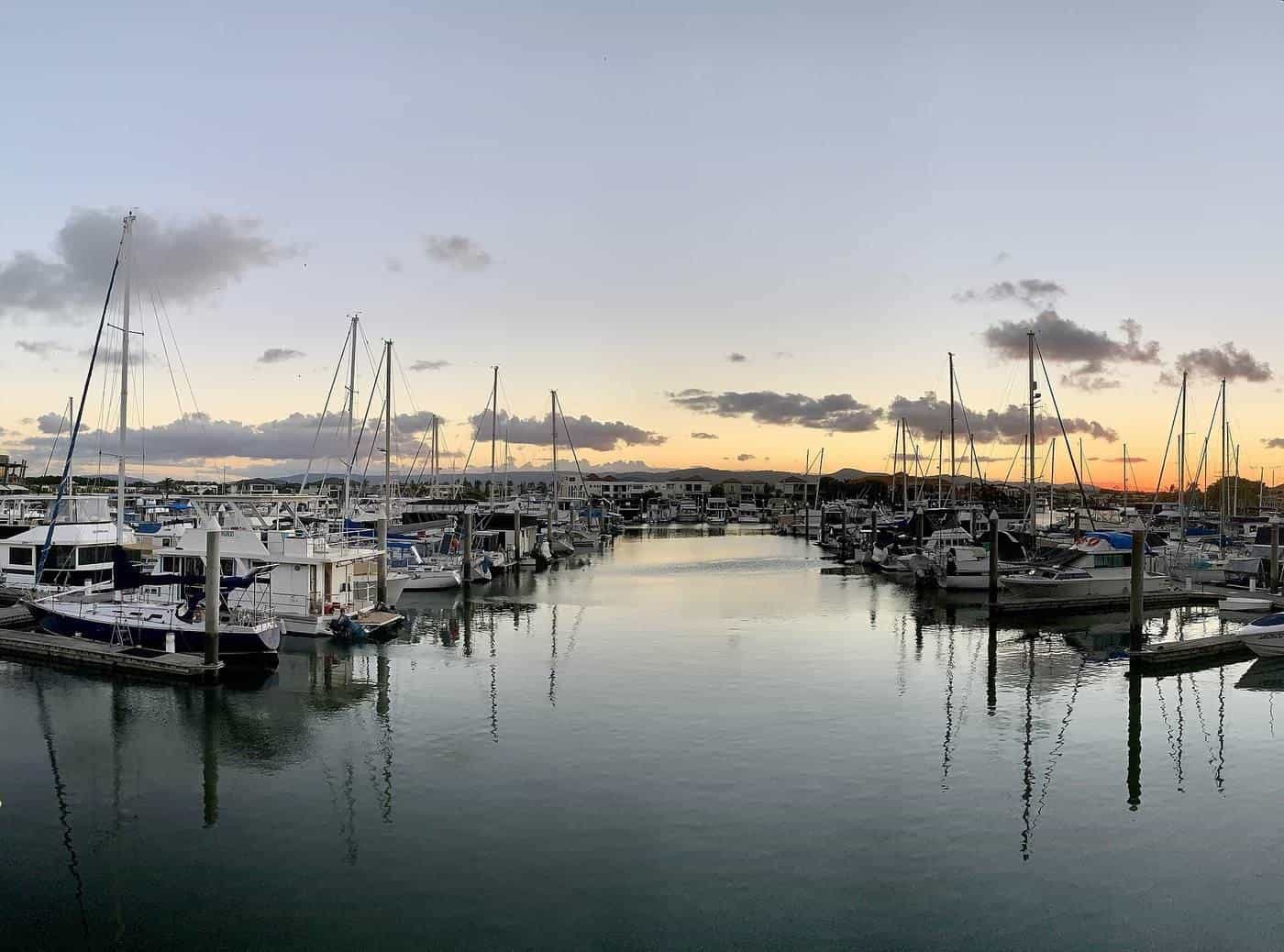
Every boat owner faces the same question sooner or later: where will the boat live? The answer shapes everything else. A boat in a marina five minutes from home gets used on a Tuesday evening; a boat on a trailer an hour from the ramp might only get out on long weekends. A swing mooring in a beautiful bay can be cheaper than a marina pen, but it needs a tender, a licence and gear that's inspected and maintained. Dry stack keeps the hull clean but runs on the operator's timetable. This section explains the choices and how to make a good one.
The guides in this section
- Types of boat berths compares marina berths, swing moorings, dry stack storage, the hardstand and keeping a trailer boat at home, with the advantages, drawbacks and questions to ask for each.
- Choosing a marina covers location, shelter, depth, berth fit, facilities, security, severe weather plans and the fine print of berth agreements.
- Swing moorings explained explains how moorings work, how licences and wait lists operate in NSW and elsewhere, licence conditions, choosing a site and looking after mooring gear.
Start with how you use the boat
Before comparing prices, think honestly about how you use your boat, or how you'd like to:
- How often do you go out? If it's weekly or more, convenience is worth paying for. If it's a few times a year, a cheaper option may make more sense.
- How long are your trips? Day trips favour easy access. Longer cruises favour good facilities for loading, fuel and water.
- Who comes with you? Children, older family members and guests find walk-on access much easier than climbing in from a dinghy.
- What kind of boat is it? A keelboat can't go on a trailer or in most dry stacks. A small runabout may not justify a marina berth.
- Where do you go? The best berth is close to both your home and the water you actually use.
Marina berths at a glance
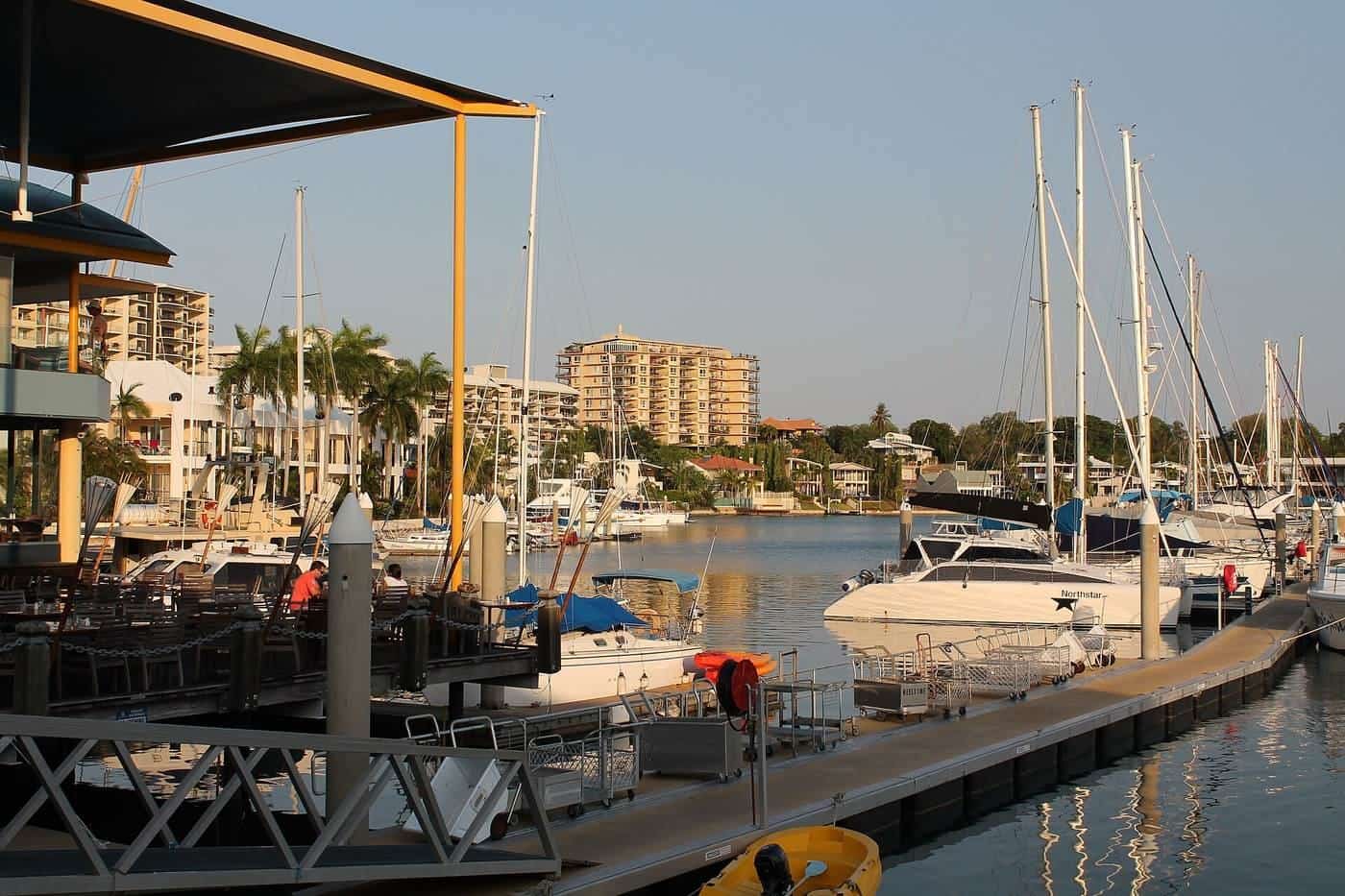
Marina berths offer walk-on access, usually with power, water and security. They're the most convenient option and often the most expensive. You'll sign a berth agreement that sets conditions on insurance, maintenance, contractors and living aboard, and popular marinas can have waiting lists. Your hull sits in the water all the time, so plan for antifouling and regular cleaning.
When you compare marinas, look beyond the headline fee. A berth that's exposed to wash or swell, too shallow at low tide or a long way from the car park will cost you in other ways. Ask about the severe weather plan, too. In Queensland, Maritime Safety Queensland says the severe weather season is generally November to April, and some marinas require boats to leave during extreme weather warnings.
Moorings at a glance
A swing mooring is a buoy attached to a fixing on the seabed. The boat swings around it with the wind and tide. Moorings are generally cheaper than marina berths, but you need a tender to reach the boat, there's no power or water, and you're responsible for the mooring gear.
In NSW, private moorings are licensed by Transport for NSW. Where there's no site available in your preferred area, you can join a priority wait list. When you receive an offer you have 14 days to respond, and if you accept you have a further 31 days to complete the licence, including having a suitable vessel registered in your name. The licence conditions say the vessel must generally be at least 5.2 metres long, and it may not be absent from its mooring for more than 28 consecutive days without written approval.
Other states run their own systems. Maritime Safety Victoria advises contacting your local waterway manager before putting down a permanent mooring, and recommends that a professional installs it once approved.
Dry stack, hardstand and trailers
Dry stack storage keeps powerboats out of the water on racks and launches them by forklift when you book. It cuts fouling and protects the boat from the weather, but there are size limits and you work around the operator's hours.
The hardstand is where boats sit on stands in a boatyard, usually for maintenance such as antifouling, repairs and surveys. Some boats are stored there for longer periods.
A trailer at home is the cheapest way to keep a small boat, and lets you tow it to different waterways. You'll need a suitable tow vehicle, a roadworthy trailer, space at home and patience at busy ramps. Remember to check, clean and dry the boat and trailer between waterways.
The paperwork
Whatever you choose, read the agreement or licence conditions before you commit. Look for:
- the term and how much notice either side must give;
- what's included in the fee and what costs extra;
- insurance requirements, including liability cover;
- rules on contractors, maintenance and seaworthiness;
- restrictions on living aboard or staying overnight;
- what happens if you change boats;
- what's expected of you in severe weather.
Keep copies on board and at home.
Check the fit
Before signing up for a berth, check that your boat fits comfortably. Measure your boat's overall length, including bowsprits, swim platforms and outboards, and its beam and draft. Ask the marina for the berth's length, width and depth at the lowest tides. Our berth fit checker compares the numbers and shows what's spare against the margins you choose.
Where to next
Once you've found a home for your boat, read our boat handling guides on berthing, lines and fenders, picking up a mooring and anchoring, and our safety and care guides on shore power, refuelling, sewage, hull care and severe weather.
A quick decision guide
If you're still unsure, try this simple sequence. First, rule out anything that doesn't suit the boat itself: a keelboat rules out most dry stacks and trailers, and a large boat may rule out moorings in shallow bays. Next, rule out anything too far from home or from the water you use. Then compare what's left on shelter, facilities, the severe weather plan and the agreement. Finally, look at cost, including the extras: insurance, lifting, antifouling, a tender or a trailer, and the time you'll spend getting to the boat.
Many owners change their arrangements over time. It's common to start on a trailer, move to a mooring, and later take a marina berth as the boat gets bigger or the family's needs change. Choose what works now, and keep an eye on wait lists for the option you'd like next.
Guides in this section

Berths & moorings
Types of boat berths
The main ways to keep a boat in Australia compared: marina berths, swing moorings, dry stack, hardstand and a trailer at home.
Read · 6 min
Berths & moorings
Choosing a marina
What to look for in a marina berth: shelter, depth, access, facilities, security, severe weather plans and the fine print in berth agreements.
Read · 5 min

Berths & moorings
Swing moorings explained
How swing moorings work in Australia: licences and wait lists, vessel rules, swing room, mooring gear, inspections and picking up a buoy safely.
Read · 5 min
Frequently asked questions
What are the main ways to keep a boat?
A marina berth, a swing mooring, dry stack storage, the hardstand, or a trailer at home. Each has different costs, access and upkeep.
Do I need a licence for a mooring?
In most places, yes. In NSW, private moorings are licensed by Transport for NSW and many areas have priority wait lists.
What should I check before taking a marina berth?
Shelter, low-tide depth, berth length and width, facilities, security, the severe weather plan and the terms of the berth agreement.
Can I live aboard?
Only where it’s allowed. Many marinas restrict living aboard, and NSW mooring licence conditions list using a moored vessel as a residence as a ground for cancellation.
Sources and further reading
Facts on this page were checked against these primary and official sources. Conditions change — confirm before you travel or buy.
- Private moorings — Transport for NSW
- Private Mooring Licence Conditions (PDF) — Transport for NSW
- Preparing for severe weather — Maritime Safety Queensland
- Mooring — Maritime Safety Victoria