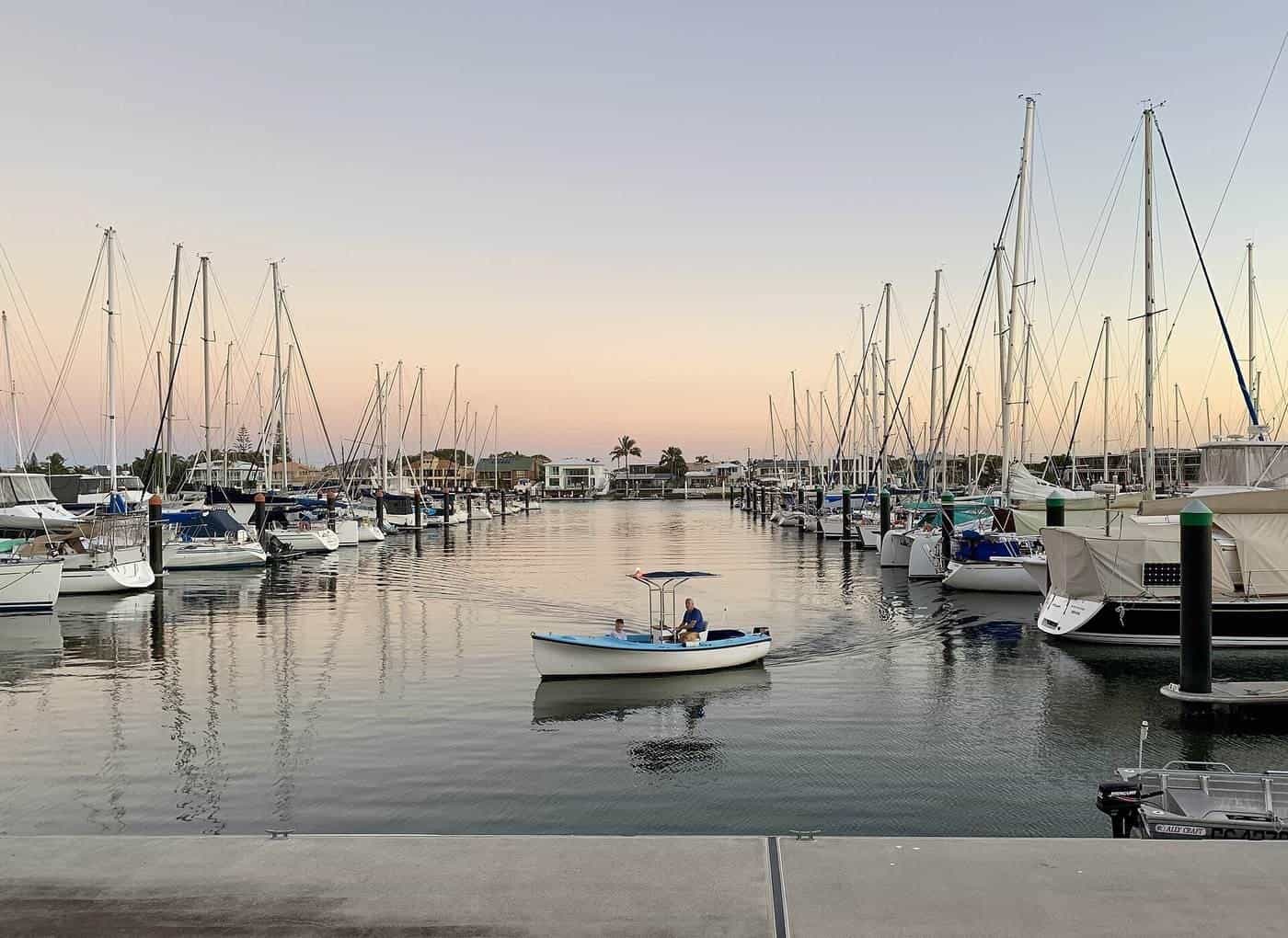
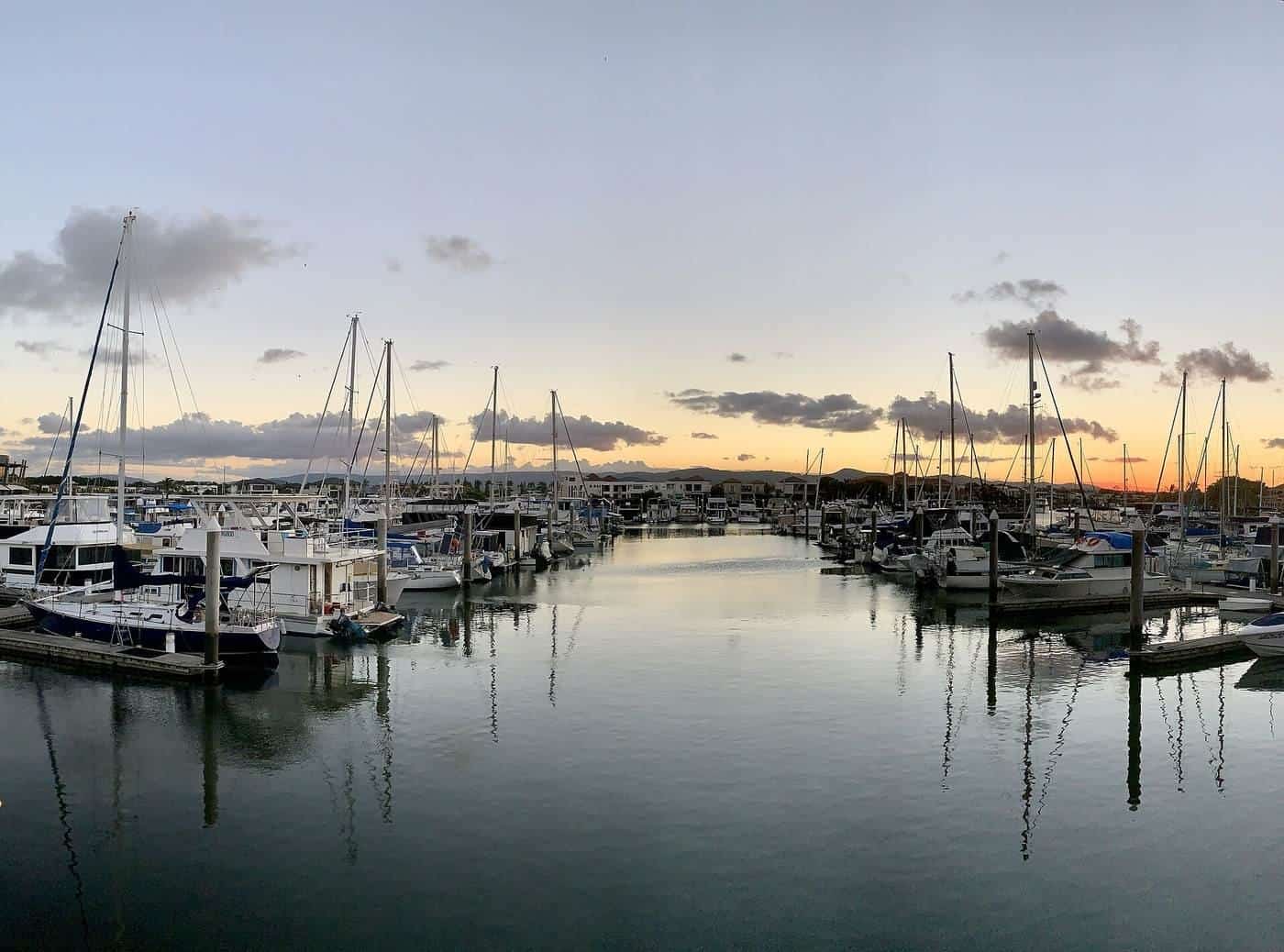
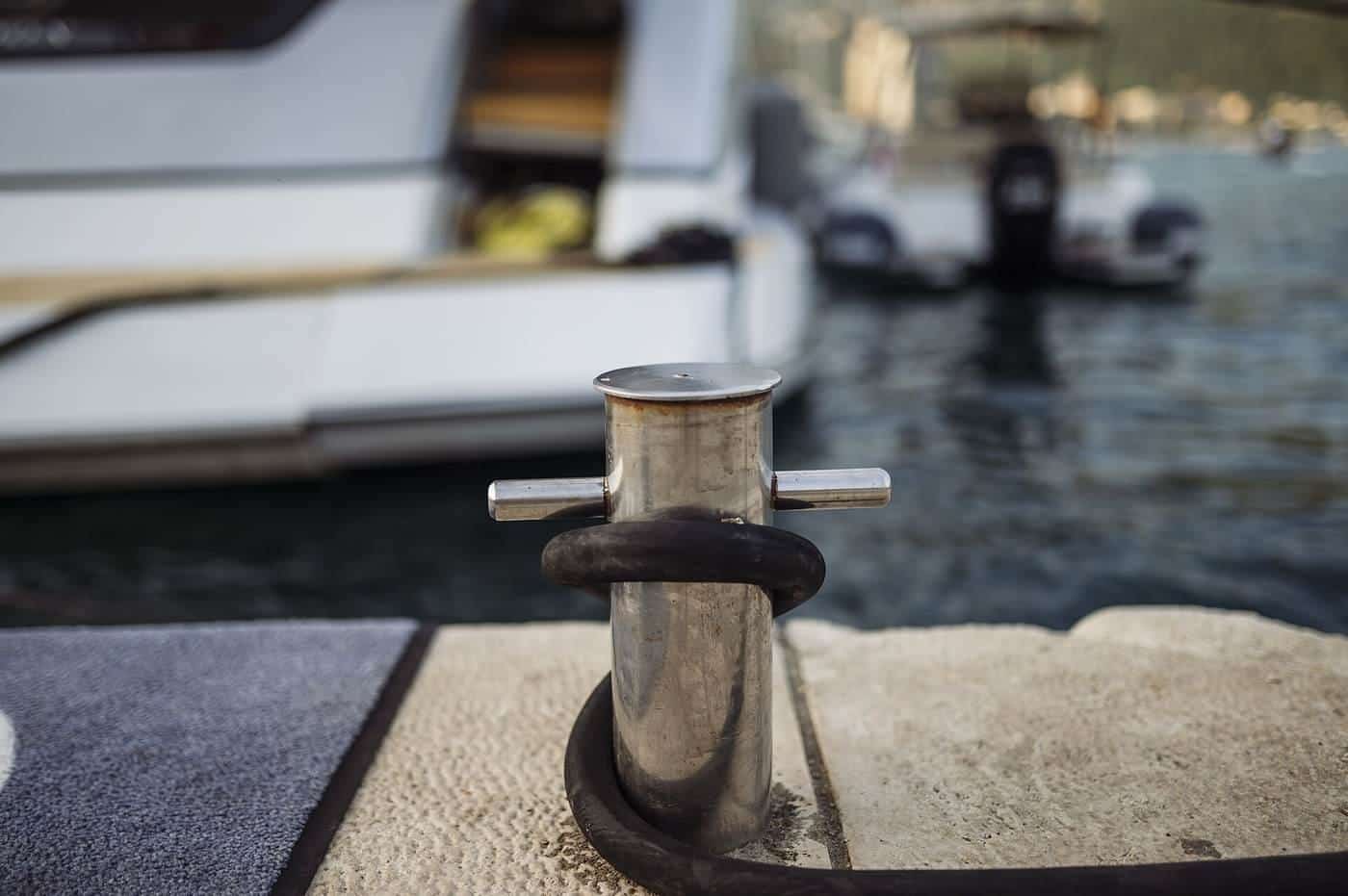
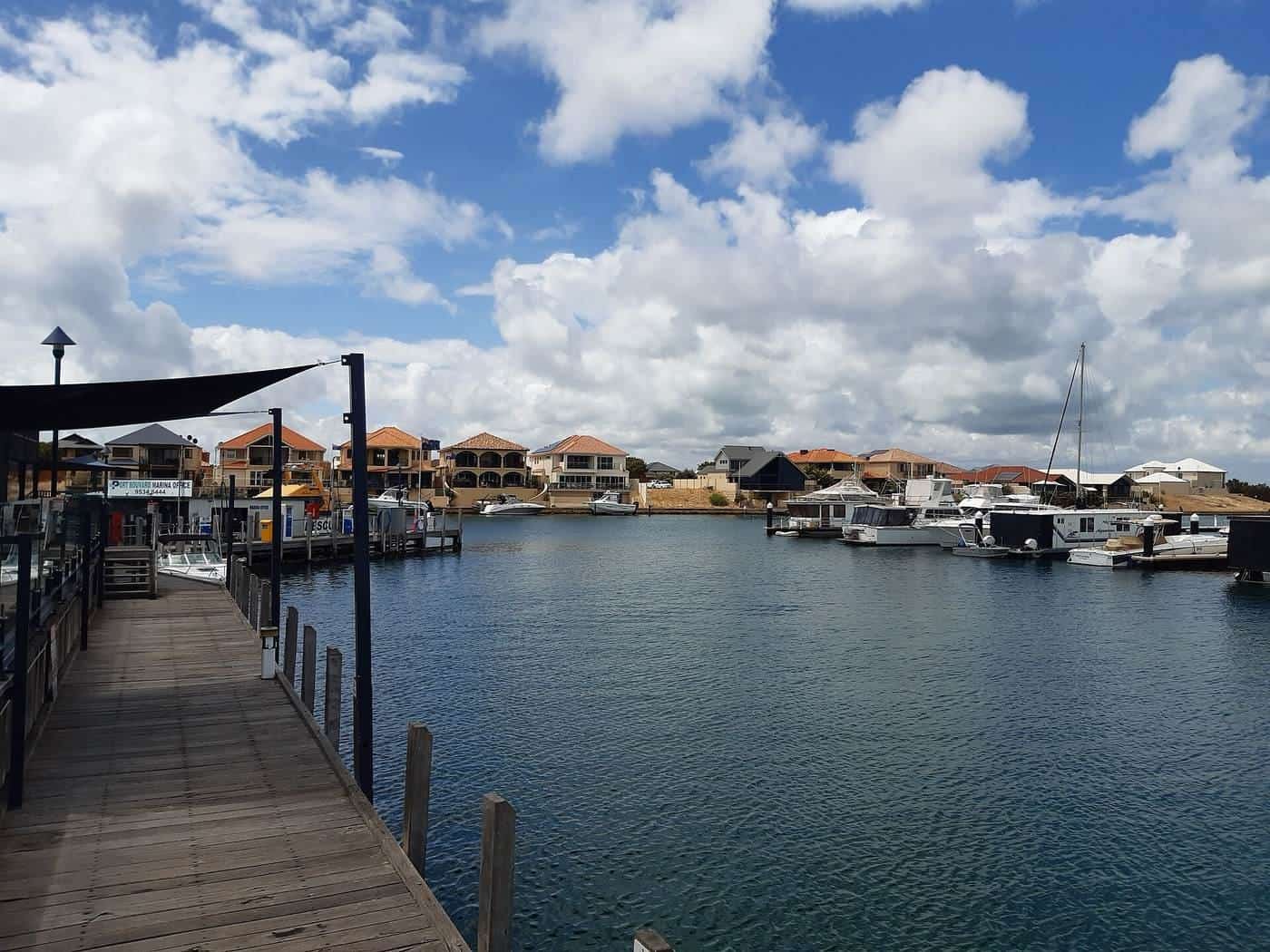
Owning a boat is one of life's great pleasures, and one of its more complicated ones. Before you can enjoy a quiet anchorage or a sunrise run to the fishing grounds, you need somewhere to keep the boat, the skills to get it on and off its berth, and routines that keep everyone safe. Marina Berth Guide is an independent information site for Australian boat owners. We explain berths, moorings, boat handling and safety in plain English, based on official sources such as Transport for NSW, Maritime Safety Queensland, Maritime Safety Victoria, the South Australian boating safety handbook and the Australian Maritime Safety Authority.
Find a home for your boat
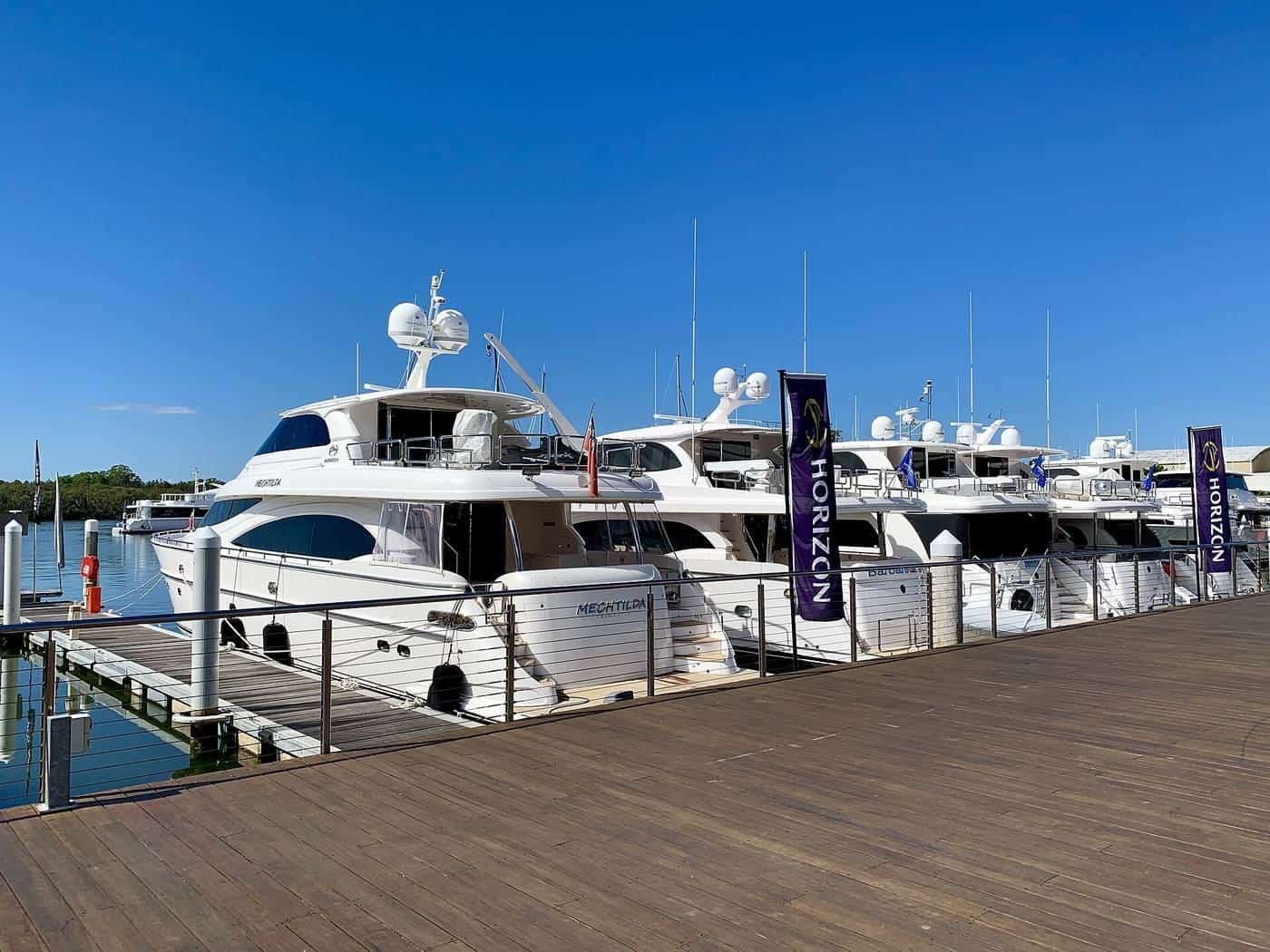
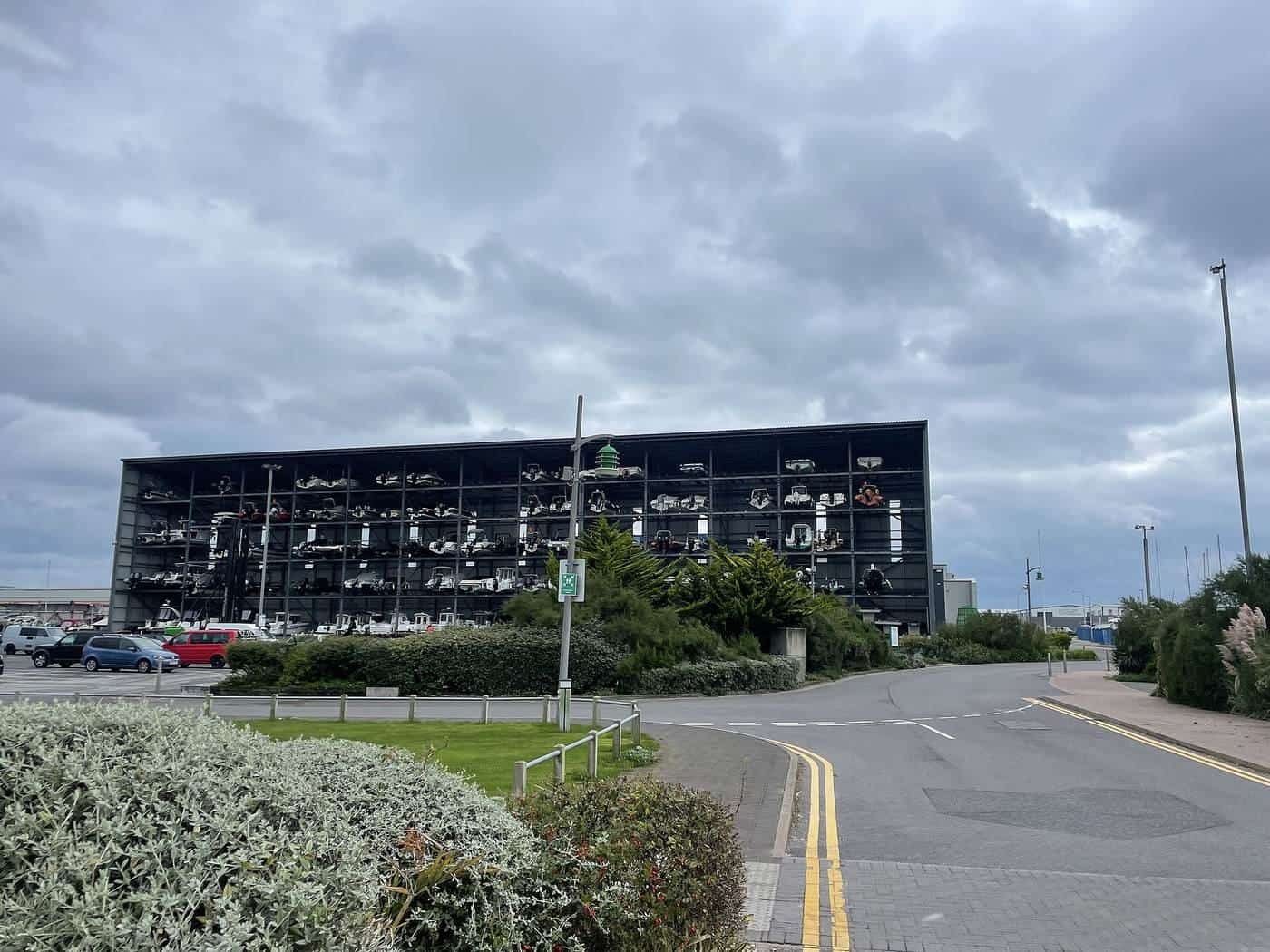
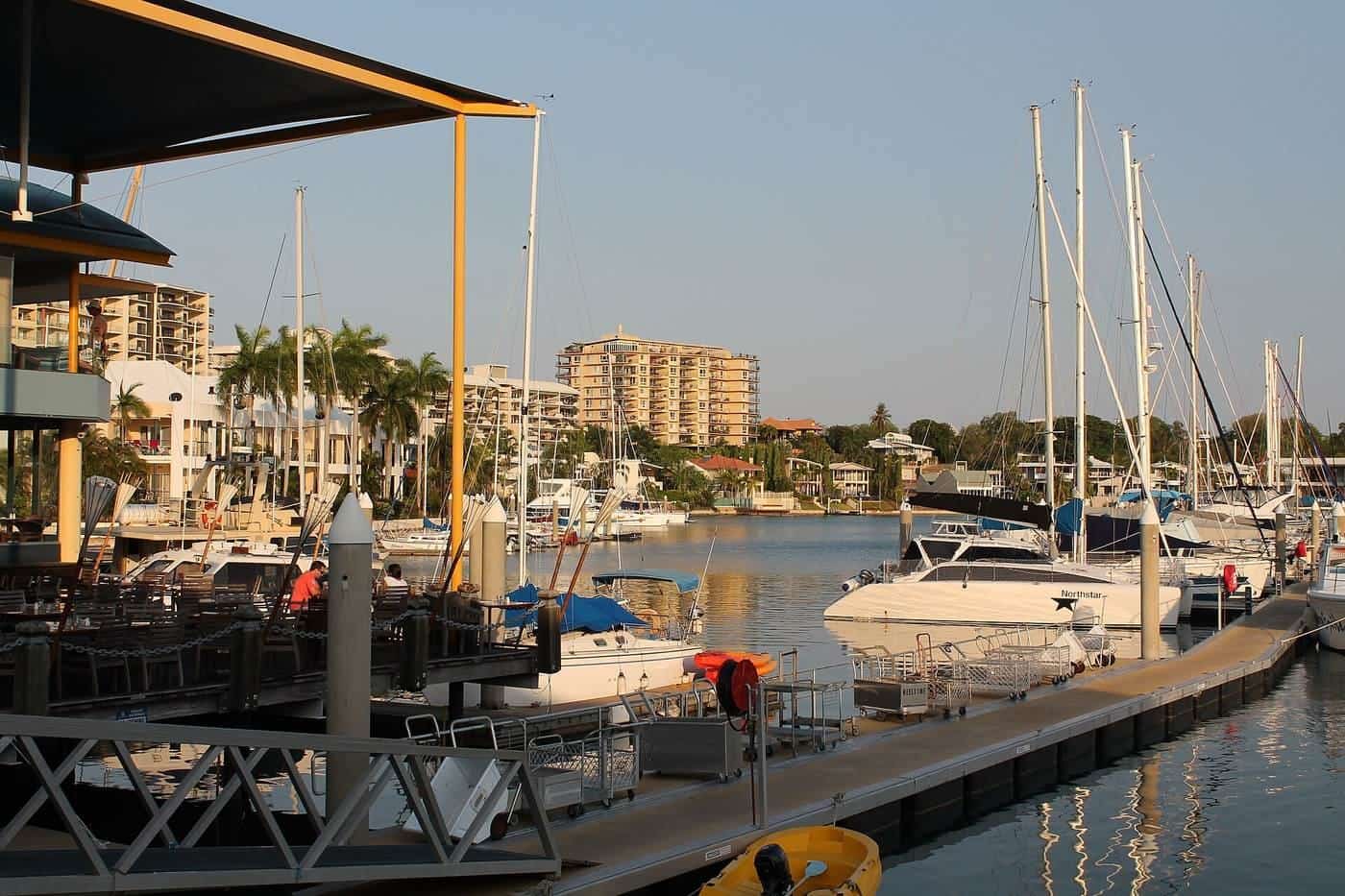
Our berths and moorings guides compare the main options: marina berths with walk-on access, power and water; swing moorings that are cheaper but need a tender and a licence; dry stack storage that keeps powerboats out of the water; the hardstand for maintenance; and keeping a trailer boat at home.
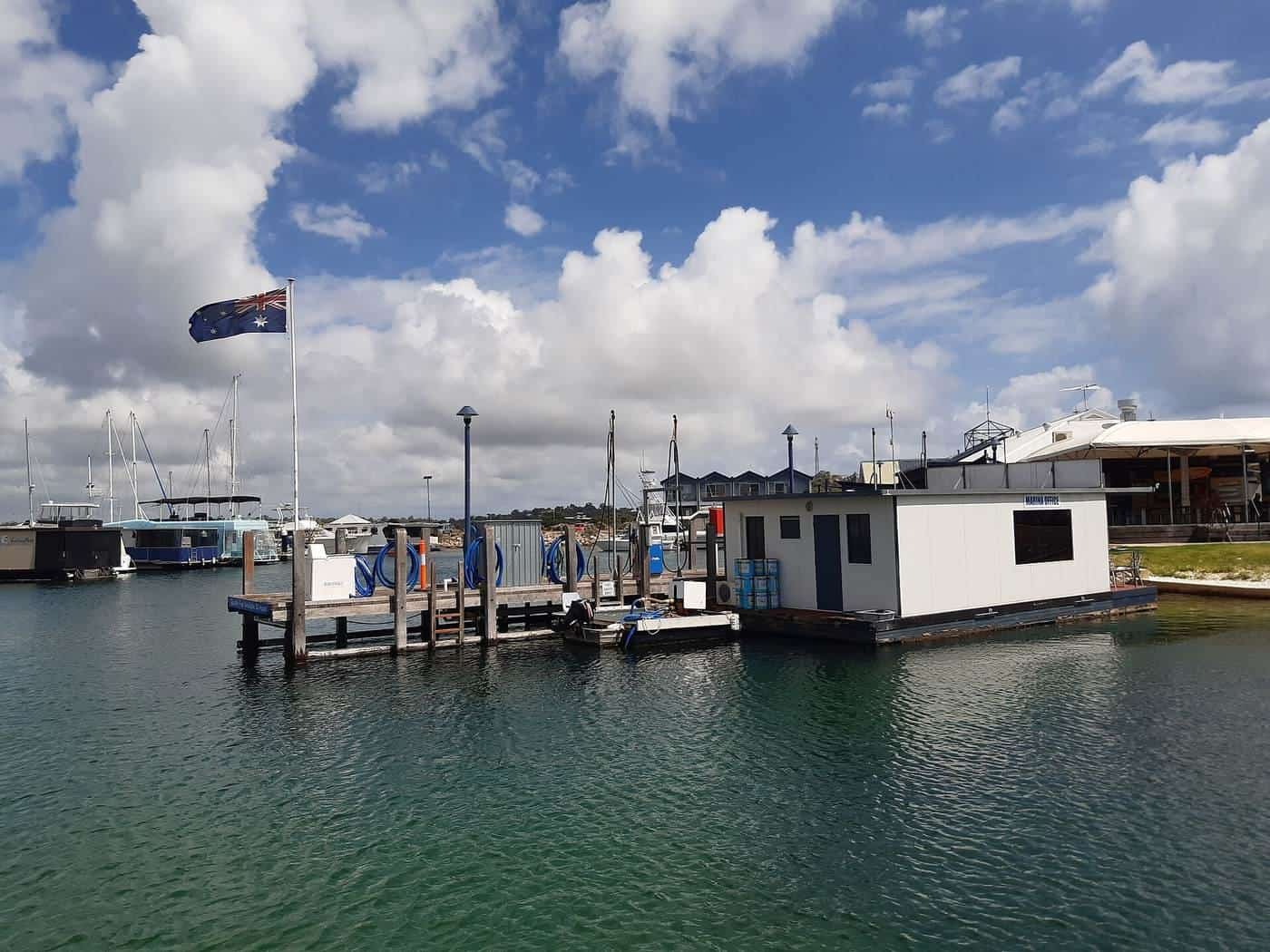
If you're looking at a marina, our guide to choosing a marina covers shelter, depth, facilities, security, the severe weather plan and the fine print of berth agreements. If you're after a mooring, swing moorings explained covers how moorings work and how licences and wait lists operate. In NSW, for example, you have 14 days to respond to a mooring offer, then 31 days to complete the licence, and the vessel must generally be at least 5.2 metres long.
Handle your boat with confidence
Our boat handling guides cover the manoeuvres every owner needs:
- Berthing alongside, with step-by-step methods for outboard, sterndrive, single-shaft and twin-shaft boats;
- Mooring lines and fenders, including the four main lines and how to double up for storms;
- Picking up a mooring without overrunning the buoy or fouling the propeller;
- Anchoring basics, including scope of 3:1 in normal conditions and 5:1 in rough.
The common thread is simple: go slowly, make a plan, brief the crew and read the wind and current before you commit.
Keep your boat and crew safe
Our safety and care guides cover the topics that matter most once your boat is in a marina or on a mooring:
- Shore power safety: residual current devices, leads and plugs, and connecting in the right order.
- Refuelling safely: the fuel dock routine that prevents petrol vapour fires and explosions.
- Sewage and pump-outs: holding tanks, treatment grades and discharge limits.
- Biofouling and hull care: antifouling, cleaning responsibly and check, clean, dry.
- Preparing for severe weather: storm and cyclone plans for boats in marinas, on moorings and on trailers.
Check the berth before you sign
A berth that's too short, too narrow or too shallow at low tide is a problem you'll face every time you visit. Our free berth fit checker, below, compares your boat's overall length, beam and draft with a berth's length, width and low-tide depth. You choose the margins you want for fenders and under the keel, and it shows what's spare and flags anything that's tight. It's a planning tool only: always confirm the berth's limits with the marina.
What makes a good marina
Every owner has different priorities, but a few things matter almost everywhere:
- Shelter from the prevailing winds, swell and passing wash;
- Depth at the berth at the lowest tides, with a margin under the keel;
- Access that's easy for you and your crew, from the car park to the pontoon;
- Facilities you'll use, such as power, water, fuel, pump-out and a boatyard;
- Security, including gates, lighting and staff contacts;
- A clear severe weather plan, so you know what's expected when warnings are issued;
- A fair agreement, with clear terms on fees, insurance, contractors and notice.
Visit on a windy day if you can, walk the pontoons and talk to berth holders.
Safety basics every owner should know
A handful of habits prevent most serious incidents:
- Electricity: use RCD protection and marine-rated leads, test RCDs regularly, connect the boat end first and disconnect the pedestal end first, and never ignore a tingle.
- Fuel: engines off, passengers off and hatches closed while refuelling; afterwards, open up, run the blower and check for fumes before starting.
- Weather: know your area's plan, keep plenty of rope aboard, double lines and protect them from chafe, and follow the harbour master's directions.
- Environment: use pump-outs, keep antifouling in good condition, and check, clean and dry your boat between waterways.
Our approach
We write every guide ourselves and list our sources at the bottom of each page. Rules differ between states and waterways and change over time, so we link to official sources and show when each page was last checked. We never invent statistics, prices, quotes or testimonials, and we don't rank or review marinas. Our guides are general information only: always follow your state's marine safety rules, your marina's conditions and the directions of the harbour master, and use qualified professionals for electrical, mooring and structural work.
Independent and free
Marina Berth Guide is free to read and independent. We don't operate a marina, lease berths or install moorings, and we're not affiliated with any marina, association, authority or business named on the site, any previous operator of this domain, or any directory with a similar name. If you spot an error, please contact us and we'll fix it.