Strong winds, big seas, storm surge and flooding rivers can wreck boats in a few hours. In northern Australia, tropical cyclones are the headline risk, but east coast lows, severe thunderstorms and floods damage boats right around the country. The owners who come through best are usually the ones who planned before the season started, not the night before. This guide draws on advice from Maritime Safety Queensland (MSQ) and Get Ready Queensland and covers boats in marinas, on moorings and on trailers.
Nov–Apr
Qld severe weather season
Extreme events can happen any time
24 mm
Rope for trailer boats
Or chains, to ground anchors, Get Ready Qld
$32,260
Maximum fine
For ignoring Regional Harbour Master directions
Know the season and the plan
MSQ says Queensland's severe weather season is generally from November to April and can bring storms, heavy rain, high winds and large swell. Tropical cyclones typically occur from November to April, and extreme weather events affecting marine activities can happen at any time of year.
Each area of Queensland has an Extreme Weather Contingency Plan. MSQ advises owners to review the plan and the appendix for their area, explore their suggested or mandated shelter area before the season starts, and update their contact details with the authorities. Other states and ports have their own plans; ask your marina, harbour master or maritime authority.
Get Ready Queensland adds: know your marina's extreme weather plan, especially whether owners must remove their boats when warnings are issued, and make a trial run to the safe anchorage at the start of the season, remembering tides may be higher than normal.
If you'll be away
Many boats are damaged because the owner is interstate or overseas when a storm arrives. MSQ suggests that if you're going away between November and April, before you leave you either:
- leave a key and contact details with a responsible, licensed person, telling them when and where your boat needs to be moved if there's a severe or extreme weather warning; or
- contact your local marine rescue unit to see if any arrangements are available for moving your boat in an emergency.
Before the season
- Service the engine so it will start when you need it.
- Check that bilge pumps work, float switches aren't stuck and batteries hold charge.
- Inspect mooring lines, cleats, fairleads and chafe gear; replace anything worn.
- Make sure you have plenty of extra line. MSQ notes that rope has more give than chain.
- Check your mooring gear has been inspected, if you're on a swing mooring.
- Review your insurance. Get Ready Queensland suggests comparing policies and checking that cover includes damage to your boat and damage it may cause to others in storms, floods or fire.
- Record emergency numbers: MSQ's regional office, marine radio channels, your marine rescue unit and police.
When a warning is issued
MSQ's preparation checklist:
- Know when and where your vessel needs to be during an evacuation or port closure.
- Have plenty of line to secure the boat.
- Secure loose articles below deck.
- Secure all hatches.
- Check the boat is watertight.
- Reduce wind loading by removing furled sails, covers, bimini tops and clears.
Then follow the plan for where your boat is.
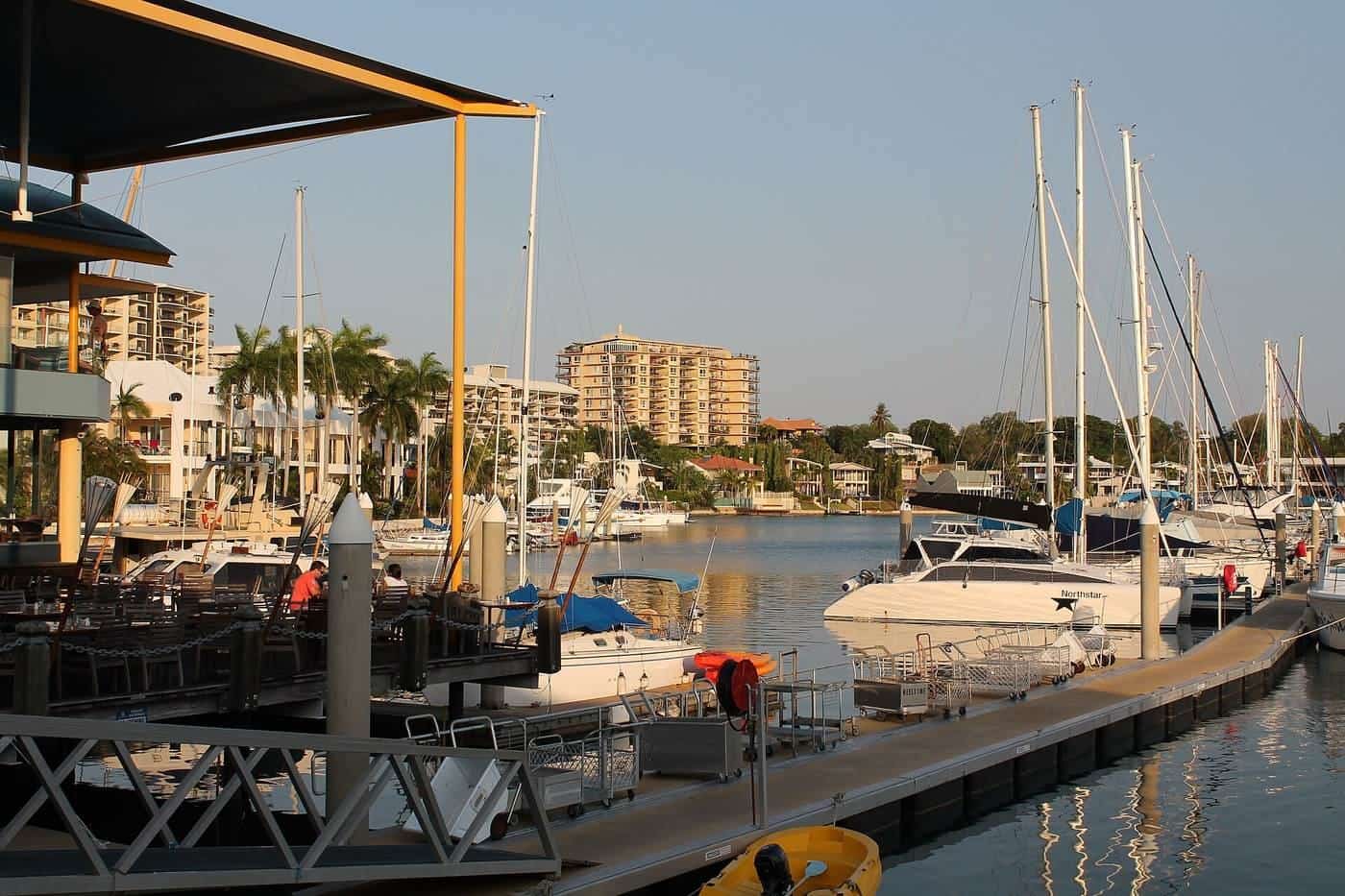
In a marina or on piles
Get Ready Queensland advises:
- double all ties;
- make ties high on pilings to allow for rising water;
- cover all tie lines at contact points with rubber or other materials to prevent chafing;
- make sure batteries can run bilge pumps throughout the storm;
- insert plugs in engine ports;
- strip bimini tops, sails and anything else that could blow away;
- tape windows and hatches;
- disconnect shore power;
- close fuel valves and cockpit seacocks.
If the marina requires boats to leave during warnings, go early, while conditions are still safe. Ask the marina manager for instructions.
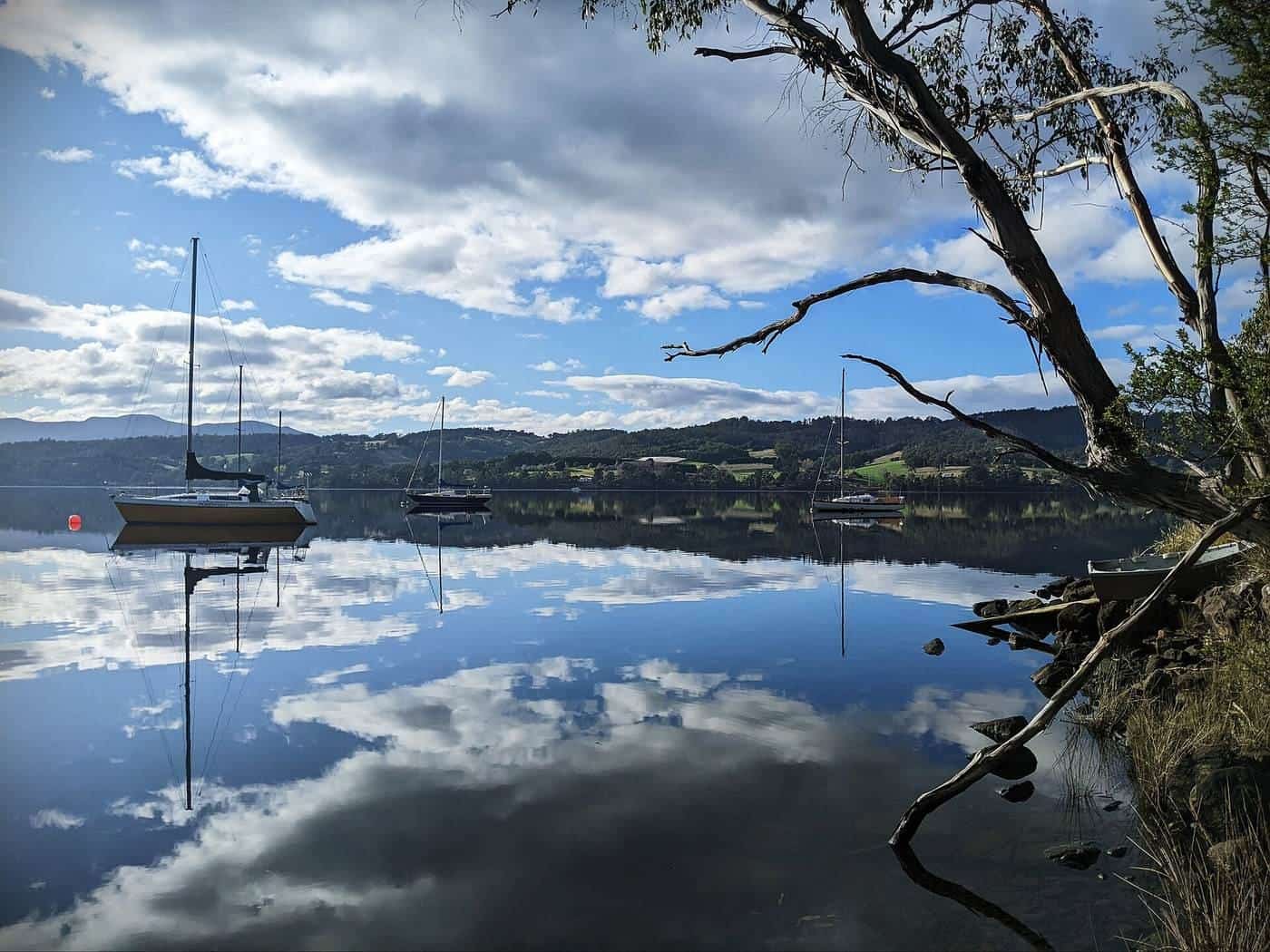
On a swing mooring
Check your mooring gear is sound and your pick-up lines are strong and protected from chafe. Add a second line to the mooring if the gear allows. Remove windage, secure hatches and make sure the bilge pump and batteries are ready. If your area's plan directs boats to a designated shelter, go when instructed.
On a trailer
Get Ready Queensland's advice:
- If time allows, move the boat and trailer out of the cyclone's path, clear of trees and loose objects.
- Remove the outboard motor, safety equipment, radios, sounders, bimini covers and other valuable items.
- If you can, take the boat off the trailer and put it on the ground, bow into the wind, away from trees. Secure it with 24 mm rope or chains to ground anchors or the most stable objects nearby. Half-fill the boat with water to add weight, unless it has a sterndrive or inboard motor.
- If you can't take it off the trailer, turn it bow into the wind, partially deflate the tyres, put wooden blocks between the trailer frame and axle inside each wheel, and lash the boat to ground anchors with 24 mm rope or chains. Don't fill a boat on a trailer with water, as this can damage the springs.
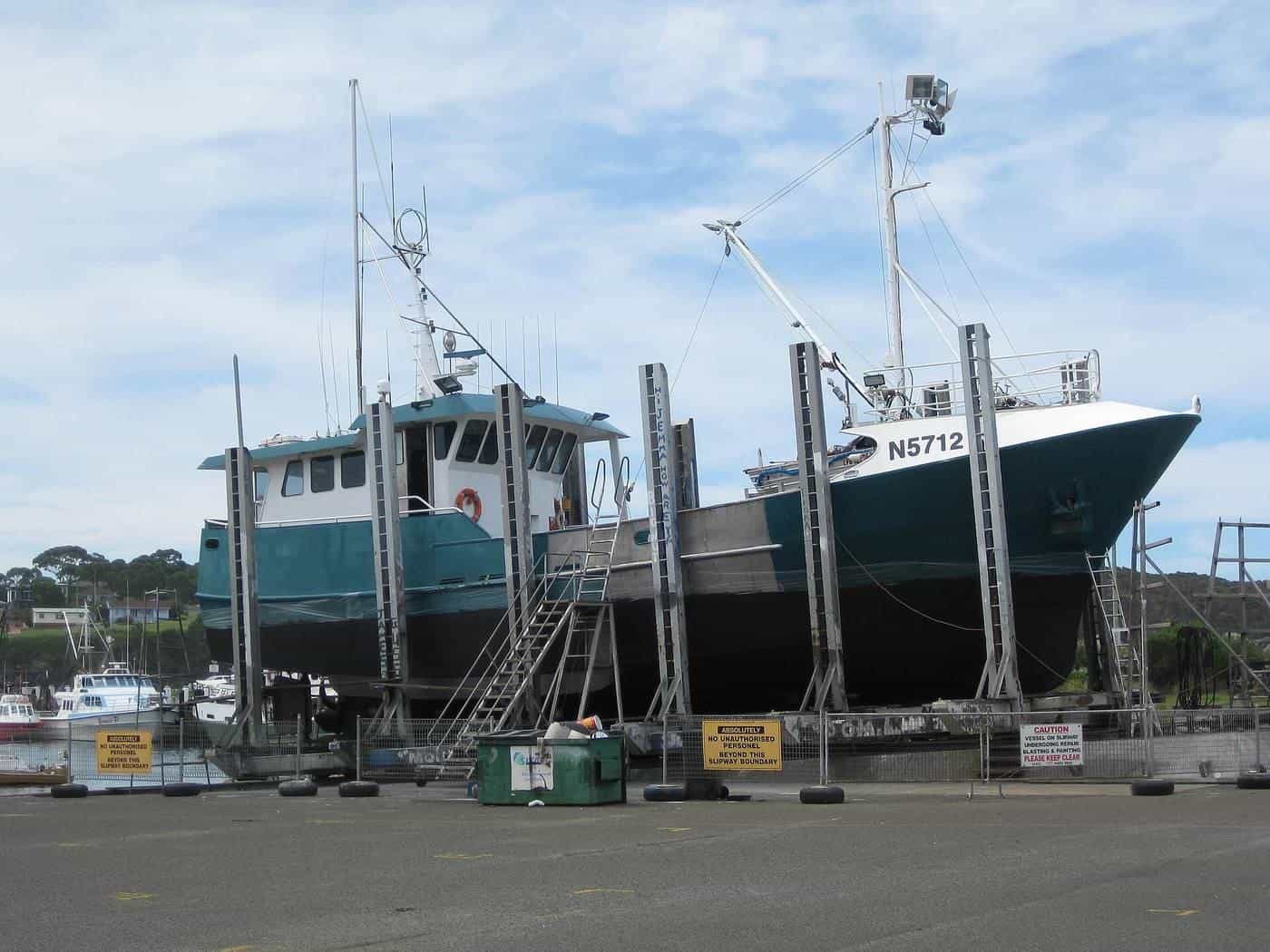
On the hardstand
Ask the boatyard about its storm plan, including how stands are secured and whether masts should come down. Remove covers and loose gear, and tie the boat down if the yard allows.
If you're on the water
MSQ and Get Ready Queensland say personal safety is the number one priority:
- at the first sign of bad weather, make sure everyone is wearing a life jacket;
- if you can't get back to your mooring or ramp, look for shelter in rivers or creeks with a mangrove fringe as a buffer from the wind;
- remember heavy rain and wind can increase the size and rate of tides, including in creeks and rivers;
- if you're in a marina or hardstand, ask the manager for instructions;
- check the MSQ dashboard for maritime warnings, and follow directions from the Regional Harbour Master, police and emergency services.
Follow directions
MSQ says to follow all directions issued by the Regional Harbour Master or their delegates, and not to leave your cyclone or emergency mooring until the Regional Harbour Master gives the all clear. Failing to follow directions can result in a fine of up to $32,260.
Never put yourself at risk to save a boat. Boats can be replaced; people can't.
After the storm
- Wait for the all clear before returning to the water.
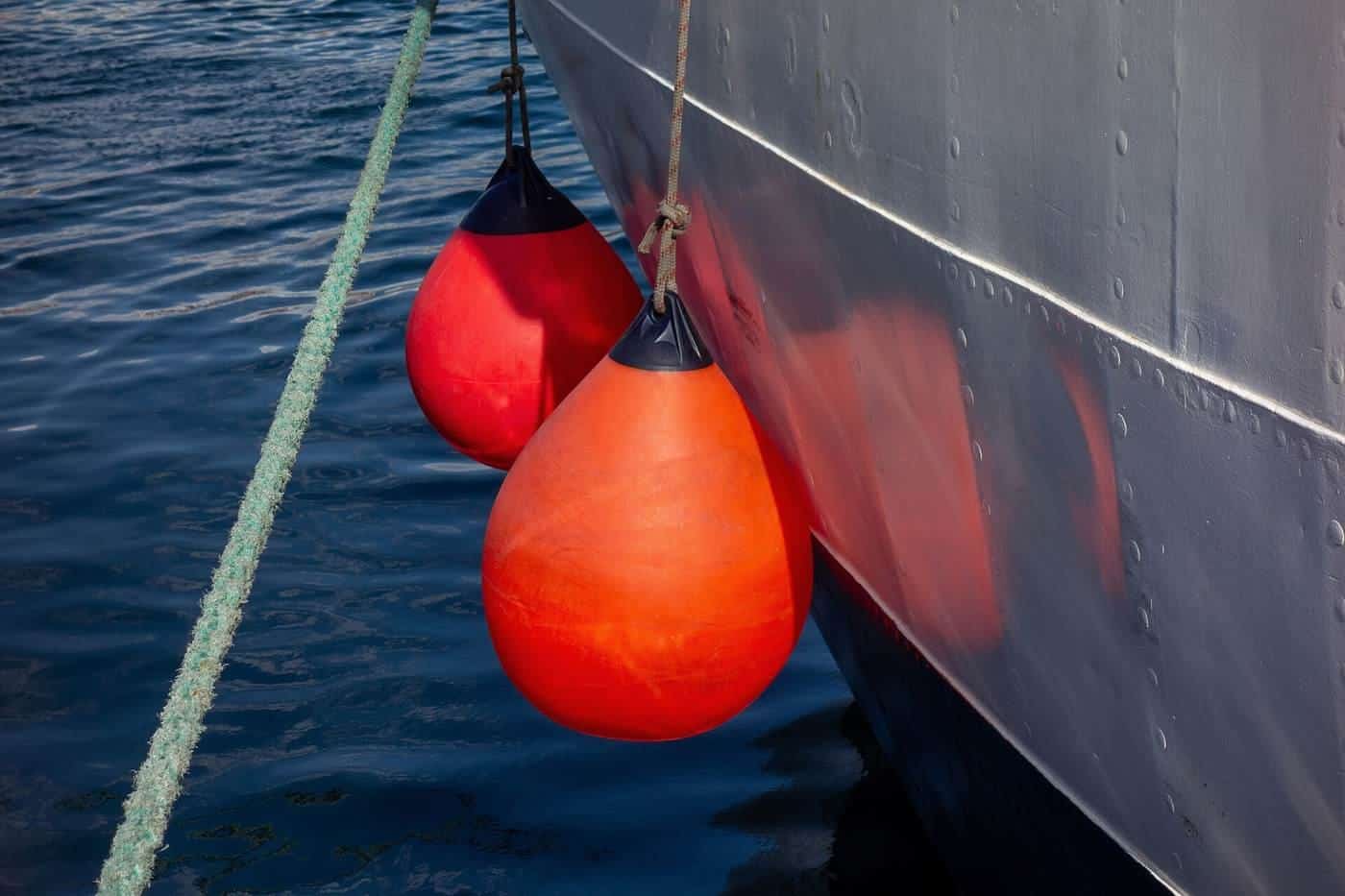
- Check lines, chafe gear, cleats and fenders, and re-tie as needed.
- Pump bilges and check for leaks.
- Photograph any damage for insurance before moving anything.
- Watch for debris in the water and changed channels or shoals.
Key points
- Know your area's extreme weather plan and your marina's rules before the season.
- If you'll be away, arrange for a licensed person to move your boat.
- Use plenty of rope, double lines, protect against chafe and reduce windage.
- Secure trailer boats bow into the wind with 24 mm rope or chains to ground anchors.
- Follow Regional Harbour Master directions and wait for the all clear.
Frequently asked questions
When is cyclone season in Queensland?
Maritime Safety Queensland says the severe weather season is generally November to April, and extreme weather events can happen at any time of year.
What should I do if I’m away during cyclone season?
MSQ suggests leaving a key and contact details with a responsible, licensed person who can move your boat, or checking with your local marine rescue unit about arrangements.
Should I use rope or chain to secure my boat for a storm?
Rope. MSQ advises having plenty of line, noting that rope has more give than chain.
How do I secure a boat on a trailer for a cyclone?
Get Ready Queensland suggests moving it out of the cyclone’s path if possible, removing the motor and gear, and lashing it down with 24 mm rope or chains to ground anchors, bow into the wind.
Can I leave my cyclone mooring once the storm passes?
Not until the Regional Harbour Master gives the all clear. MSQ says failing to follow directions can result in a fine of up to $32,260.
Sources and further reading
Facts on this page were checked against these primary and official sources. Conditions change — confirm before you travel or buy.
- Preparing for severe weather — Maritime Safety Queensland
- Protect your boat — Get Ready Queensland
- SA Boating Safety Handbook, chapter 8: Anchoring, mooring and berthing (PDF) — Department for Infrastructure and Transport SA