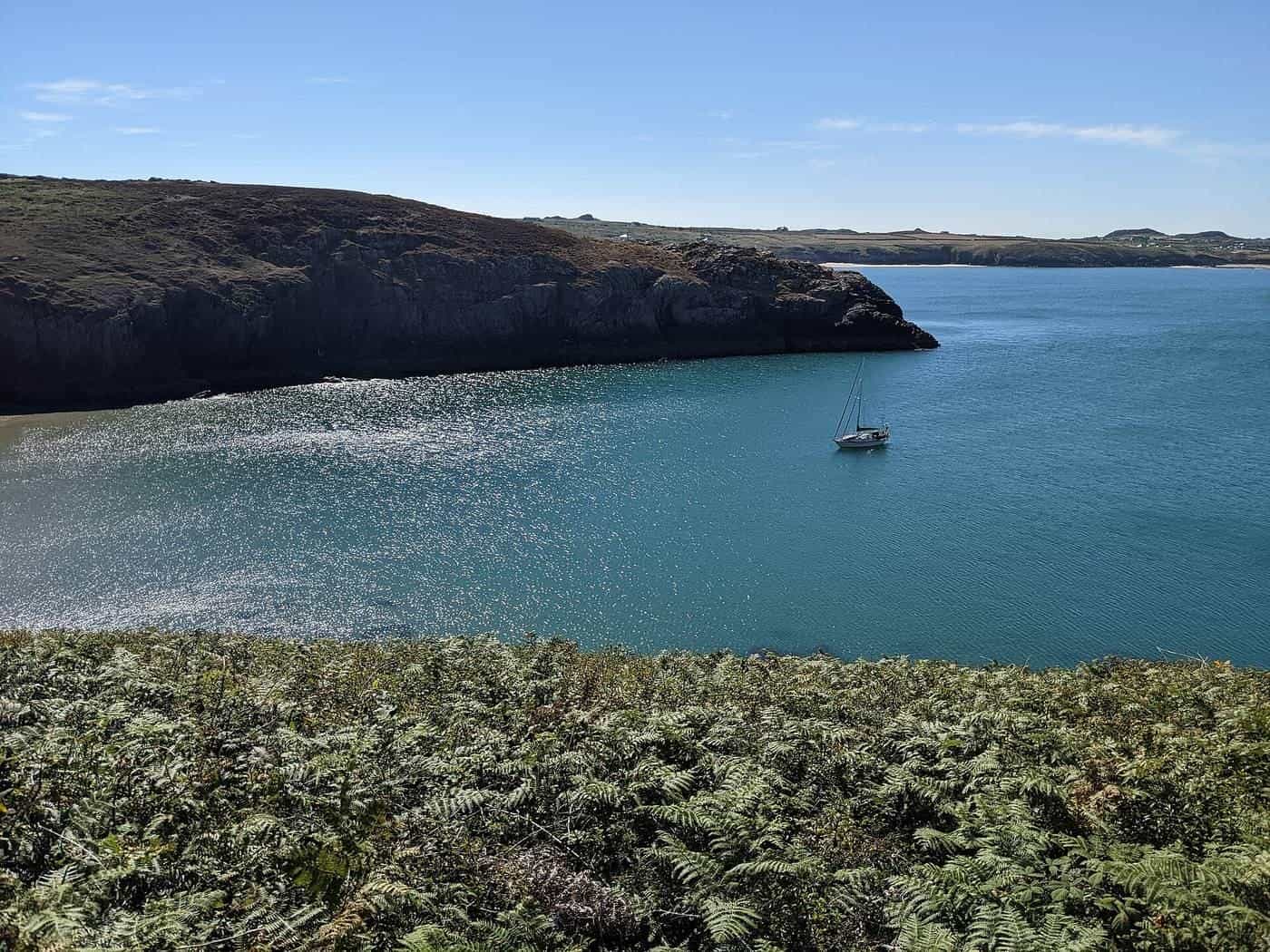
Anchoring lets you stop for lunch in a quiet bay, fish over a reef, spend a night away from the marina or hold position in an emergency. Maritime Safety Victoria describes anchoring as a normal part of boating and also an important safety measure: a good anchor can hold a boat head-on to heavy conditions and stop it being swept onto a shore if the engine fails. This guide covers choosing gear and a spot, setting the anchor, checking it holds, and getting it back aboard.
3:1
Scope in normal conditions
Line paid out to depth of water
5:1
Scope in rough conditions
Maritime Safety Victoria and SA handbook
Bow only
Where to anchor from
Never from the stern or midships
Gear that suits your boat
Maritime Safety Victoria says the anchor and its chain or line, or both, must be strong and durable enough to secure the vessel and appropriate for the area where you operate. The chain or line must be securely attached to both the anchor and the boat at all times. Choose your anchor and rode to suit your boat, the depth of water and the type of bottom you're likely to find.
Some practical points:
- Anchor type: different designs suit sand, mud, weed, rock or coral. Many boats carry one general-purpose anchor; boats that travel widely may carry a second type.
- Chain: a length of chain between the anchor and the rope adds weight, keeps the pull low and resists chafe on the bottom.
- Rope: nylon stretches and absorbs shock.
- Attachment: use a properly moused shackle at the anchor, and tie the bitter end inside the anchor locker so you can't lose the whole lot.
The SA handbook says vessels likely to operate in adverse conditions should consider carrying a second anchor, and that vessels over 8 metres are required to do so, except in protected waters. Check your state's safety equipment rules for your boat.
Choosing a spot
The SA handbook's checklist for anchoring:
- Don't anchor in a marked channel.
- Select an anchorage that offers protection from the wind and swell.
- Use the right anchor for the area.
- Make sure the anchor line is attached to the boat.
- Untangle and lay out the line before you deploy it.
Maritime Safety Victoria adds that anchoring is prohibited in certain areas under Victoria's vessel operating and zoning rules, and that it's illegal and dangerous to anchor in shipping channels or transit lanes. Other states have similar rules, and many marine parks protect seagrass and coral with no-anchoring zones or public moorings.
Think about how the boat will swing. When the wind or tide changes, your boat will swing in a circle around the anchor. Leave room from other boats, the shore and hazards, and remember boats on different scope swing differently.
Setting the anchor
The SA handbook describes the steps:
- Move into the wind, forward of where you want to end up, and stop.
- Gradually lower the anchor, don't just throw it overboard, and let it touch the bottom. You'll drift back to your chosen spot.
- Allow a scope of 3:1 (anchor line to depth of water) in normal conditions and 5:1 in rough conditions. The flatter the pull on the anchor, the better it holds.
- Tie off the line to a forward bollard or cleat.
- Adjust the length of line to the conditions.
- Show the right lights if anchoring at night.
Maritime Safety Victoria makes the same points: always lower rather than hurl the anchor, as throwing it can tangle the chain and line, and pay out at least three times the depth of water, increased to five to one in rougher seas.
Working out scope. Measure depth from your sounder and add the height of your bow above the water. If the depth is 5 metres and your bow is 1 metre up, 3:1 means about 18 metres of line; 5:1 means about 30 metres. Allow for the tide rising while you're there.
Many skippers gently reverse once the line is out to dig the anchor in, watching for the line to come tight and the boat to stop moving back.
Never from the stern
Maritime Safety Victoria warns never to drop anchor from the stern or midships, because you risk swamping the vessel. A boat anchored by the stern can't ride over waves, and water can pour over the low transom. Always anchor from the bow.
Checking it's holding
Maritime Safety Victoria advises regularly checking that the anchor isn't dragging by inspecting the rope tension and monitoring your position. The SA handbook adds that changing conditions can affect performance and stability. Ways to check:
- Line up two fixed objects on shore, one behind the other, and watch whether they stay lined up.
- Use the anchor alarm on your GPS or plotter.
- Feel the line: a dragging anchor often makes it jerk or vibrate.
- Check more often when the wind or tide changes.
If the anchor drags, don't simply let out more line in a crowded anchorage. Retrieve it and re-anchor, or move somewhere better protected.
Setting more than one anchor
A second forward anchor can be set apart from the first so the boat forms the bottom of a V, which spreads the load in strong winds. To hold position in calm conditions, for example when diving, the SA handbook suggests using a stern anchor as well as the bow anchor. It notes that it's not easy for one person to set two anchors, so get crew to help pay out lines and keep them clear of the propeller.
Retrieving the anchor
- Motor slowly towards the anchor while the crew takes in the line, so they're not pulling the boat.
- Signal direction and distance from the bow.
- When the line is straight up and down, the anchor will often break out on its own. If it doesn't, cleat the line and motor gently past it.
- Keep fingers clear of the windlass, gypsy and roller.
- Stow and lash the anchor securely when not in use, as the SA handbook advises.
Maritime Safety Victoria says sliding buoy systems for anchor recovery are not recommended, because if the anchor fouls, large forces can be transferred to the boat, leading to capsize or damage.
If the anchor is stuck
Try motoring slowly in different directions to change the angle of pull. Never cleat a stuck anchor line to the stern and power away. If it won't come free, it may be safer to cut the line and mark the spot than risk the boat.
Key points
- Use an anchor and rode suited to your boat, depth and bottom, securely attached at both ends.
- Choose a protected spot clear of channels and no-anchoring areas, with room to swing.
- Lower the anchor; don't throw it.
- Pay out at least 3:1 in normal conditions and 5:1 in rough conditions.
- Anchor from the bow only, and check regularly that you're not dragging.
Frequently asked questions
How much anchor line should I let out?
Maritime Safety Victoria’s rule of thumb is at least three times the depth of water, increased to five to one in rougher seas. The SA handbook gives the same 3:1 and 5:1 guide.
Should I throw the anchor overboard?
No. Lower it. Throwing the anchor and chain overboard can tangle them, according to Maritime Safety Victoria.
Can I anchor from the stern?
Maritime Safety Victoria warns never to drop anchor from the stern or midships, because you risk swamping the vessel. Anchor from the bow.
Where can’t I anchor?
Not in marked channels, shipping channels or transit lanes, and not in areas where anchoring is prohibited. Maritime Safety Victoria says anchoring in shipping channels is illegal and dangerous.
Do I need two anchors?
The SA handbook says vessels likely to operate in adverse conditions should consider carrying a second anchor, and vessels over 8 metres are required to, except in protected waters.
Sources and further reading
Facts on this page were checked against these primary and official sources. Conditions change — confirm before you travel or buy.
- Anchoring — Maritime Safety Victoria
- SA Boating Safety Handbook, chapter 8: Anchoring, mooring and berthing (PDF) — Department for Infrastructure and Transport SA